
-
 +86-15258555916
-
 [email protected]

 English
 中文简体
中文简体 русский
 Tiếng Việt
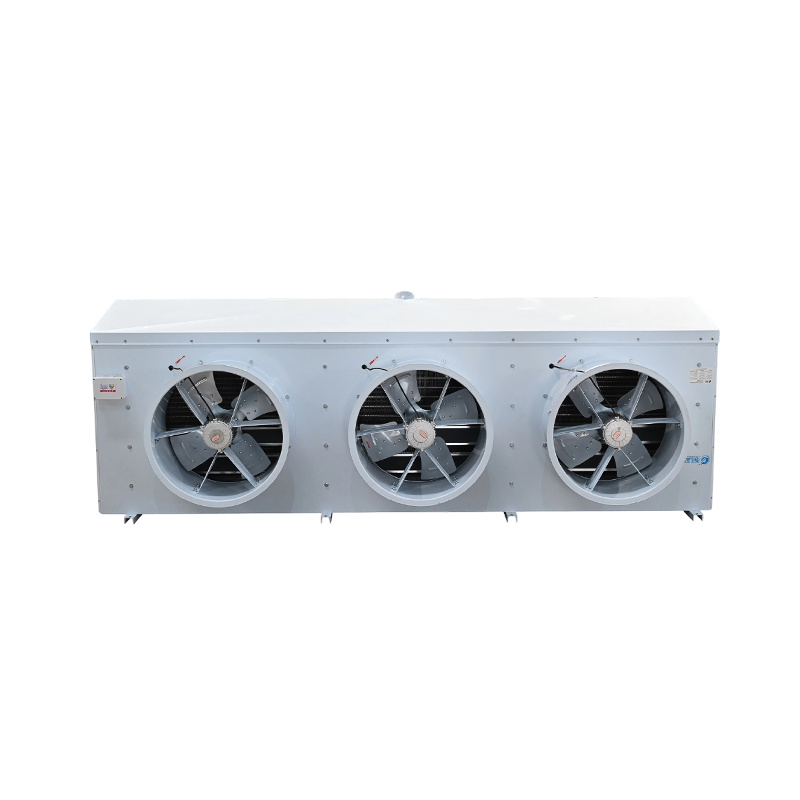
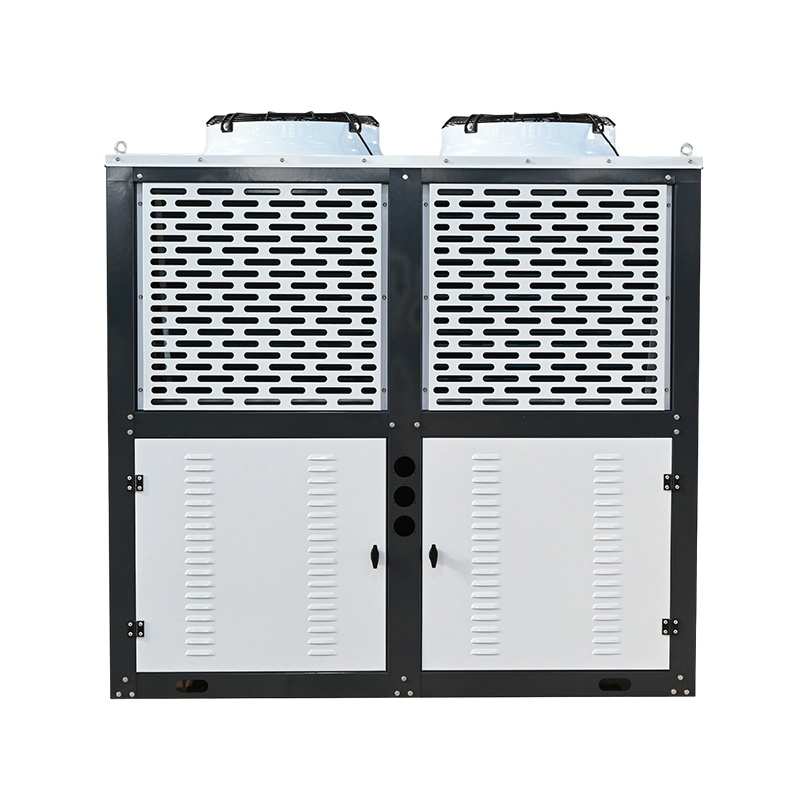
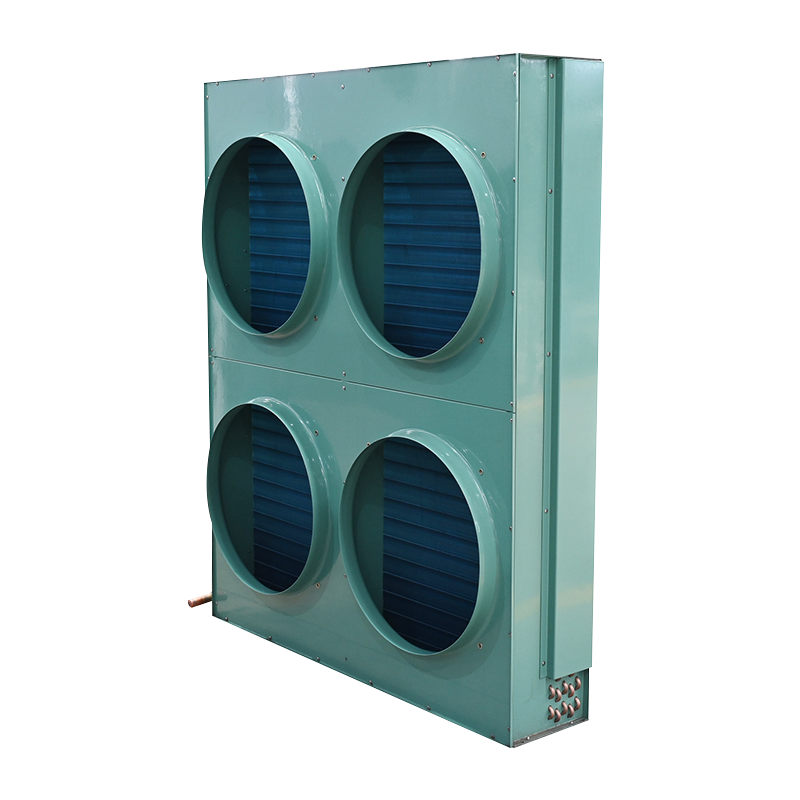
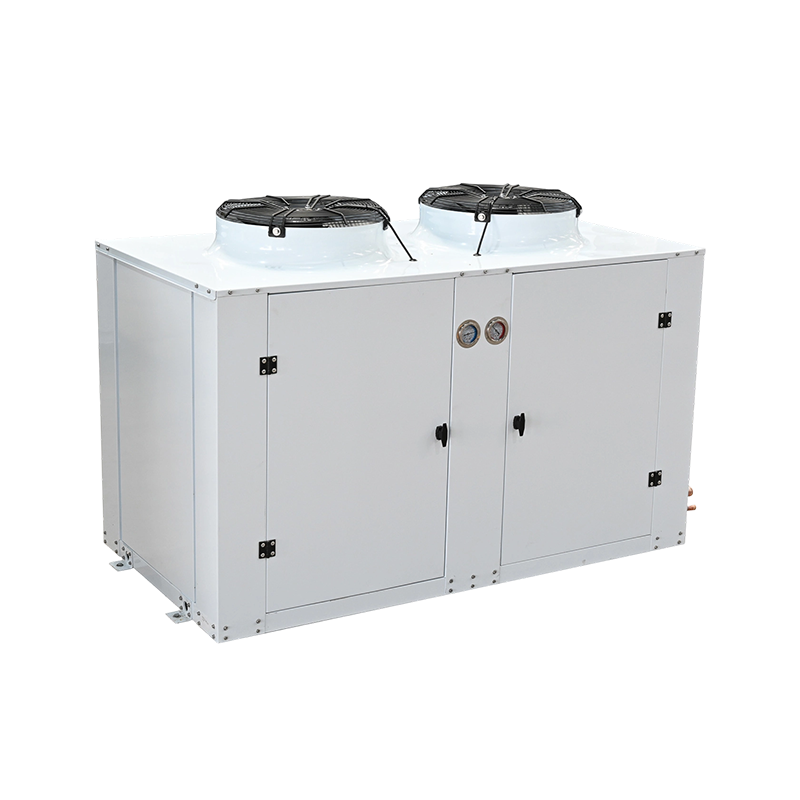
Choosing Among Air Refrigeration Unit Manufacturers: A Practical Comparison Guide
Content
The manufacturer with the lowest quoted price is rarely the one that delivers the lowest total cost. When comparing air refrigeration unit manufacturers, reliability, compressor design, material grade, and after-sales support matter far more over a ten-year service life than the number on the initial invoice. Facilities that compare manufacturers on these four dimensions consistently report fewer breakdowns and lower energy bills than those who buy on price alone.
Compressor Technology: Screw, Reciprocating, or Scroll
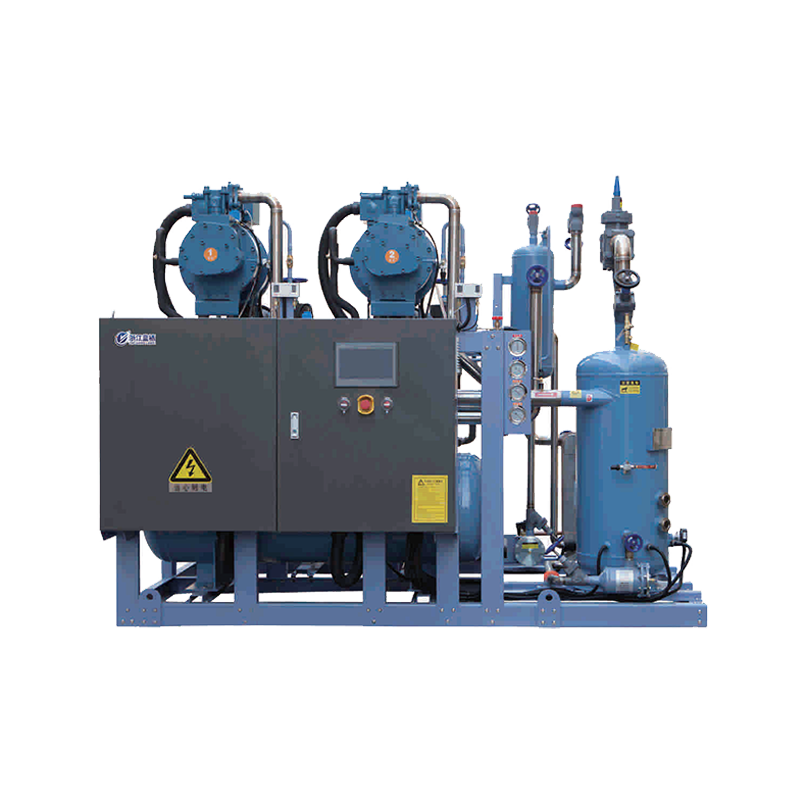
The compressor is the single component most responsible for a unit's lifespan and running cost, yet manufacturers differ sharply in which type they favor. Reciprocating compressors remain common in smaller units because they are cheaper to produce, but they wear faster under continuous load. Screw compressors, favored by manufacturers targeting industrial and marine markets, run cooler and handle continuous duty cycles far better. Scroll compressors sit in between — quiet, efficient at partial loads, but limited in capacity for larger cold rooms.
| Compressor Type | Typical Service Life | Best Suited For |
| Reciprocating | 8–12 years | Small refrigeration, intermittent loads |
| Scroll | 12–15 years | Mid-size cold storage, retail cooling |
| Screw | 18–25 years | Industrial plants, marine, continuous-duty facilities |
When comparing manufacturers, ask which compressor line they use as standard rather than as a premium upgrade. A manufacturer that defaults to screw compressors across its mid-range catalog is generally signaling a longer-term reliability focus than one that reserves them only for its top-tier, highest-priced models.
Material Grade and Build Quality
Two units with identical horsepower ratings can behave completely differently in humid or coastal environments depending on the steel and insulation grade used. Manufacturers building for marine or export markets typically use marine-grade stainless steel (304 or 316) for casings and copper-nickel tubing for condensers, which resists corrosion for 15+ years even in salt-laden air. Budget-focused manufacturers often substitute galvanized steel, which is fine for dry indoor installations but can show rust within 3–4 years in coastal or high-humidity settings.
- Casing material: 304/316 stainless steel outperforms galvanized steel in humid or saline environments by roughly 4–5x in corrosion resistance.
- Insulation: Polyurethane foam with a density above 40 kg/m³ retains cooling efficiency significantly longer than lower-density foam, which compresses and loses R-value within a few years.
- Tubing: Copper-nickel alloy condenser tubes resist pitting corrosion far better than plain copper in units exposed to seawater or industrial air.
Energy Efficiency Ratings Compared
Energy consumption is where differences between manufacturers compound most dramatically over time. A unit with a Coefficient of Performance (COP) of 3.2 versus one rated at 2.6 might look like a minor spec difference on paper, but across a 20,000-hour annual runtime, that gap can translate into a 20–25% difference in electricity cost. Manufacturers who invest in variable-frequency drive (VFD) compressors and electronic expansion valves consistently post higher COP ratings than those relying on fixed-speed compressors and mechanical thermostatic expansion valves.
A useful comparison point is part-load efficiency. Refrigeration demand rarely sits at 100% capacity around the clock — ambient temperature swings and door-opening cycles mean units often run at 40–70% load. Manufacturers offering inverter-driven compressors typically maintain efficiency curves that stay flat across this range, while fixed-speed units lose efficiency sharply below 60% load, cycling on and off and wasting energy on each restart.
Upfront Cost Versus Lifecycle Cost
Comparing manufacturers purely on quoted purchase price misses roughly 70–80% of the real cost of ownership, since electricity and maintenance dominate a unit's total lifetime expense far more than the initial capital outlay. A rough industry breakdown looks like this over a 15-year service period:
| Cost Category | Approximate Share of Total Cost |
| Initial purchase and installation | 15–20% |
| Energy consumption | 55–65% |
| Maintenance, parts, and downtime | 15–25% |
This is why a unit priced 10–15% higher but rated with a superior COP and a modular, easy-to-service design frequently ends up cheaper within four to six years. Facilities managers who ask manufacturers for lifecycle cost projections, rather than just quotes, are better positioned to make this comparison accurately.
Customization and Sizing Capability
Off-the-shelf units suit standardized cold rooms, but many facilities — food processing lines, pharmaceutical storage, marine vessels — need capacity, footprint, or refrigerant type tailored to specific conditions. Manufacturers differ substantially in this area:
- Some offer only fixed capacity tiers (5 TR, 10 TR, 20 TR) with no in-between options, forcing facilities to over- or under-size their system.
- Others provide modular skid-mounted designs that can be scaled by adding compressor modules as demand grows, avoiding a full system replacement later.
- Refrigerant flexibility also varies — manufacturers offering both HFC and low-GWP natural refrigerant (ammonia, CO2) options give facilities a path to meet tightening environmental regulations without a complete redesign.
Warranty Terms and After-Sales Support
A refrigeration unit's warranty terms often reveal how confident a manufacturer is in its own build quality. Standard warranties across the industry typically run 12–24 months on the full unit, with compressor-specific warranties sometimes extending to 5 years for premium product lines. Short warranty periods paired with vague "parts only, no labor" language are a common red flag.
Equally important is the service network. A manufacturer with regional service centers and a guaranteed 24–48 hour response window prevents a compressor failure from turning into a week of spoiled inventory. Before finalizing a purchase, it's worth asking directly: how many service technicians cover this region, and what is the average response time for an emergency call? Manufacturers who can answer with specific numbers, rather than general reassurances, tend to be the more dependable long-term partners.
Matching the Manufacturer to the Application
Not every manufacturer excels across every use case, and matching the right one to the right application matters more than picking a generalist. Marine and offshore installations demand corrosion resistance and vibration tolerance above all else. Food processing and cold chain logistics prioritize precise temperature control and rapid recovery after door openings. Industrial process cooling values raw capacity and continuous-duty reliability over compactness. Reviewing a manufacturer's track record in the specific application category — rather than their overall market presence — gives a far more accurate picture of expected performance.
-
Air Refrigeration Units Use Air Itself as the Refrigerant An air refrigeration unit — also known as...
READ MORE -
When a food processor plans a new -18°C freezer, the first equipment decision is usually about the ...
READ MORE -
Manufacturer Evaluation The manufacturers worth shortlisting are the ones that build their own com...
READ MORE -
In a busy cold storage room or food processing line, a poorly selected industrial air cooler can ca...
READ MORE -
What Air-Cooled Condenser and Industrial Air Cooler Technologies Actually Do An Air-Cooled Condense...
READ MORE -
What Is an Industrial Air Cooler and How Does It Work in a Refrigeration System? Picture a medium-s...
READ MORE

- Email: [email protected]
- Phone: +86-15258555916
- Add: 301 Punan Avenue, Pukou Street, Shengzhou City, Shaoxing City, Zhejiang Province.China
Copyright © Zhejiang Lanxi Refrigeration Equipment Co., Ltd. All Rights Reserved.
浙ICP备2022034605号-1
 Custom Refrigeration Equipment Manufacturers
