Safety Features of Screw Compressor Units
Overview of Screw Compressor Units
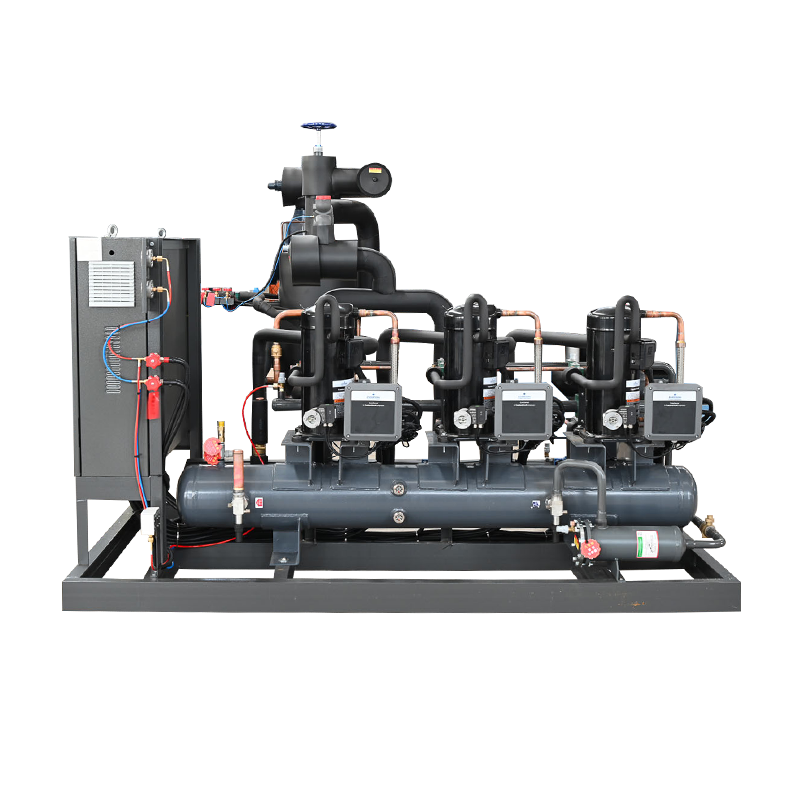
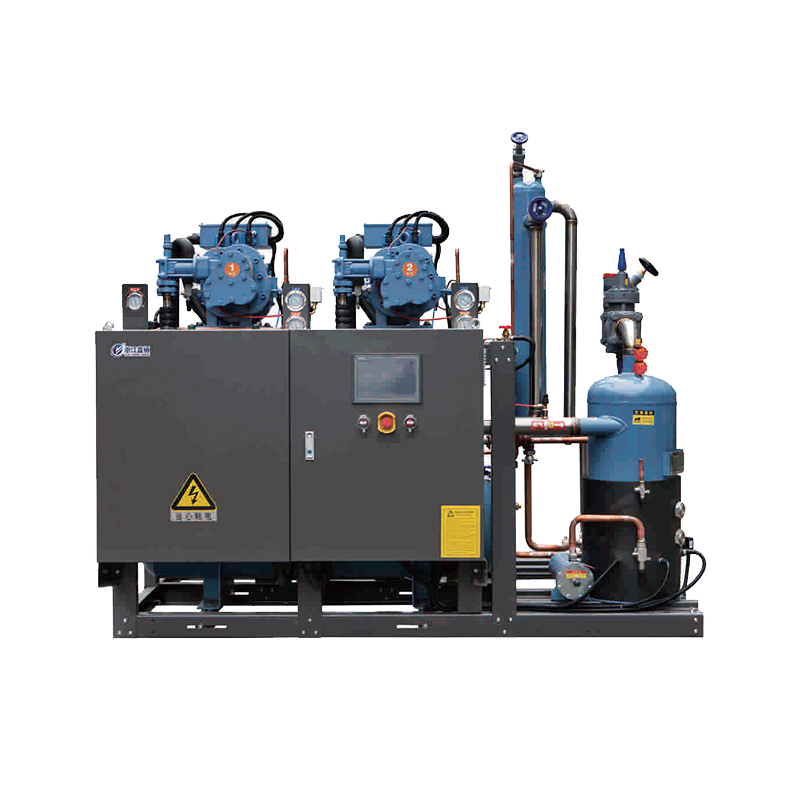
Screw compressor units are widely used in industrial refrigeration systems for applications such as cold storage, food processing, pharmaceutical production, and chemical processing. Their ability to provide continuous, stable, and high-capacity compression makes them suitable for both medium and large-scale operations. Given the demanding nature of industrial environments, protecting screw compressors from operational hazards like overloading and overheating is crucial for reliable performance and long-term stability.
Overload Protection Function
Overload protection is a primary safety mechanism in screw compressor units. It monitors the electrical current drawn by the compressor motor to prevent damage from excessive load conditions, which may occur due to high system pressure, blockages in the refrigerant line, or abrupt changes in operating demand. When the current exceeds predefined limits, the protection system interrupts power supply or temporarily stops the compressor to avoid mechanical or electrical failure. Units from Zhejiang Lanxi Refrigeration Equipment Co., Ltd. often integrate advanced overload protection circuits that respond quickly to abnormal current levels, minimizing potential damage and ensuring that the unit can resume safe operation once normal conditions return.
Overheat Protection Function
Overheating poses another risk to screw compressors, particularly under continuous operation or high ambient temperatures. Temperature sensors installed at critical points, such as motor windings, bearings, and refrigerant discharge lines, monitor the operating temperature. If these exceed safe thresholds, the overheat protection function reduces compressor speed, initiates a controlled shutdown, or triggers an alert for operator intervention. By mitigating thermal stress, this function helps prevent irreversible damage to the compressor components and supports stable refrigeration performance. In industrial systems supplied by Zhejiang Lanxi Refrigeration, overheat protection is often integrated with monitoring software, allowing real-time alerts and system logging for preventive maintenance planning.
Combined Safety Measures and System Integration
Overload and overheat protection work in tandem to reduce operational risks. In modern screw compressor units, these features are integrated into the control system, which can communicate with other refrigeration equipment in the facility. For instance, in cold chain logistics warehouses or pharmaceutical production plants, the control system can coordinate compressor operation with evaporators, air-cooled condensers, and auxiliary equipment. This ensures that in the event of an overload or overheating event, only the affected unit responds, minimizing disruption to the overall cooling process. Zhejiang Lanxi Refrigeration Equipment Co., Ltd. emphasizes this layered safety approach, which combines mechanical, electrical, and software-based safeguards.
Monitoring and Maintenance of Safety Features
Maintaining the effectiveness of overload and overheat protection requires regular inspection and preventive maintenance. Electrical relays, control circuits, and temperature sensors should be checked for responsiveness and calibration accuracy. Lubrication of bearings, verification of motor alignment, and inspection of wiring are also important. Companies using screw compressors from Zhejiang Lanxi Refrigeration benefit from detailed maintenance guidelines provided by the manufacturer, which include recommended inspection intervals, sensor calibration procedures, and system diagnostics to detect early signs of abnormal operation.
Comparison of Safety Features
The following table summarizes key characteristics, monitoring methods, and actions taken by overload and overheat protection mechanisms in industrial screw compressor units:
| Safety Feature |
Purpose |
Monitoring Method |
Action Upon Trigger |
| Overload Protection |
Prevent motor and mechanical damage due to excessive load |
Electrical current monitoring of motor |
Interrupt power or stop compressor |
| Overheat Protection |
Prevent thermal stress on motor and internal components |
Temperature sensors at motor windings and discharge lines |
Reduce speed, controlled shutdown, or alert operator |
Customization of Safety Settings
Screw compressor units can be customized to meet specific operational requirements. Thresholds for overload and overheat protection can be adjusted based on refrigerant type, system pressure, ambient temperature, and the expected duty cycle. Zhejiang Lanxi Refrigeration Equipment Co., Ltd. works with clients to configure these parameters for optimal safety while maintaining operational efficiency. Proper customization ensures that compressors operate reliably even under variable industrial conditions, reducing downtime and extending the service life of the equipment.
Preventive Measures for Reliable Operation
In addition to built-in safety features, preventive measures enhance reliability. Operators are advised to perform routine inspections of compressor performance, monitor load currents and temperature trends, and ensure adequate ventilation around units. Scheduled maintenance, including checking lubricants, verifying sensor operation, and inspecting electrical circuits, complements the integrated safety features. By combining preventive maintenance with overload and overheat protection, industrial screw compressors maintain stable operation and meet the continuous cooling requirements of industries such as cold storage, food processing, and pharmaceuticals.
FAQ
Q: How does the piston compressor unit handle varying load conditions in industrial refrigeration?
A: Piston compressor units are designed to operate efficiently under fluctuating load conditions. Clients often want to know how the unit maintains stable pressure and temperature during changes in cooling demand. Manufacturers, including companies like Zhejiang Lanxi Refrigeration Equipment Co., Ltd., optimize cylinder design, valve timing, and control systems to ensure consistent performance even under variable loads.
Q: What measures are in place to protect piston compressors from overpressure or mechanical failure?
A: Safety is a common concern. Piston compressor units typically include overpressure valves, pressure sensors, and mechanical protection systems to prevent damage from excessive load. These features monitor the operational parameters in real time, providing alerts or triggering automatic shutdowns when limits are exceeded.
Q: How does maintenance frequency and procedure affect the reliability of piston compressor units?
A: Customers often ask about maintenance schedules because improper upkeep can reduce efficiency and lifespan. Regular inspection of valves, pistons, lubricating systems, and electrical components ensures consistent operation. Companies like Zhejiang Lanxi Refrigeration provide maintenance guidelines tailored to industrial applications to minimize downtime and optimize unit longevity.
Q: Can piston compressor units be customized for specific industrial environments?
A: Many industries require specific performance characteristics, such as low ambient operation, high-pressure applications, or integration with existing refrigeration systems. Zhejiang Lanxi Refrigeration Equipment Co., Ltd. offers personalized customization services, including design adjustments, capacity modifications, and control system programming, to meet unique operational requirements.
Q: What common malfunctions should users be aware of in piston compressor units?
A: Clients are concerned about reliability. Common issues include valve wear, piston ring leakage, lubrication problems, and temperature fluctuations. Identifying early warning signs, monitoring operational parameters, and following recommended maintenance schedules can prevent serious failures and extend the service life of the unit.
Q: How energy-efficient are piston compressor units in industrial refrigeration applications?
A: Customers often evaluate efficiency due to operational costs. Modern piston compressors are designed to optimize compression cycles and minimize energy consumption. Proper installation, load matching, and periodic maintenance further enhance energy efficiency without compromising performance.
Q: What monitoring and control options are available for piston compressors to ensure stable operation?
A: Industrial users are increasingly interested in real-time monitoring. Piston compressor units can be equipped with sensors to track pressure, temperature, and motor load, as well as remote monitoring and control interfaces. This enables predictive maintenance and rapid response to operational anomalies, supporting uninterrupted production processes.



 English
 中文简体
中文简体 русский
 Tiếng Việt