Stability of Integrated Refrigeration Units in Industrial Environments
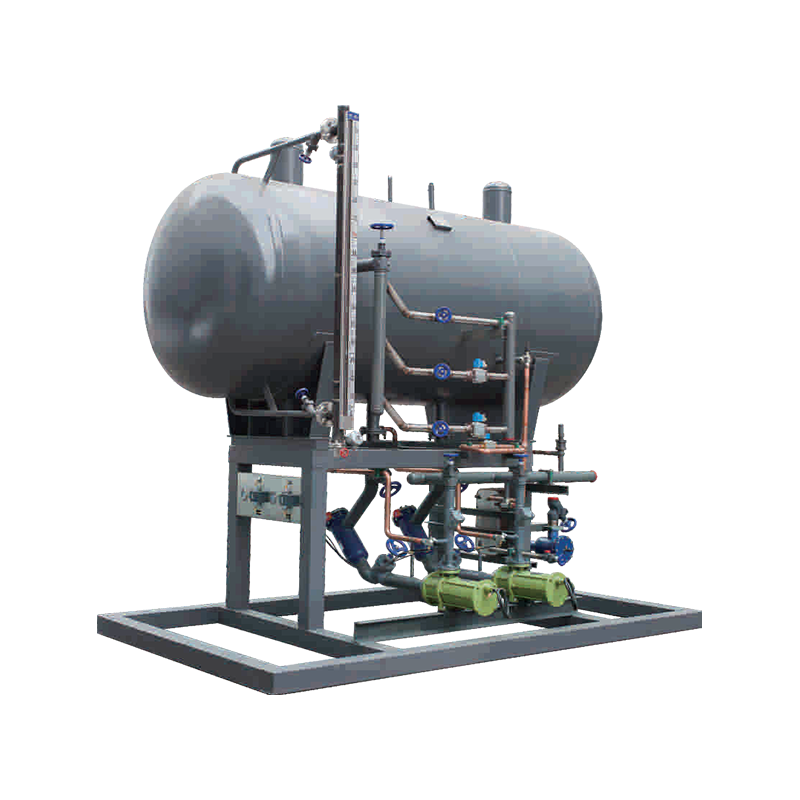
Integrated refrigeration units combine compressors, condensers, evaporators, and control systems into a single compact system. These units are commonly used in food processing plants, cold chain logistics, pharmaceutical storage, and chemical manufacturing due to their compact design and ease of installation. Stability during continuous operation is a key concern for industrial users, as these units must maintain consistent temperature control under variable load conditions and demanding environmental factors. Zhejiang Lanxi Refrigeration Equipment Co., Ltd. manufactures integrated units that are engineered to provide reliable performance in diverse industrial settings.
Design Considerations for Continuous Operation
Continuous operation requires careful design of each component. Compressors, whether screw or piston type, are selected based on load requirements to avoid frequent cycling, which can lead to mechanical wear. Heat exchangers, including air coolers and condensers, are designed for efficient heat transfer even under high ambient temperatures. The control system coordinates the operation of all components, monitoring pressure, temperature, and flow rates to maintain stable conditions. Zhejiang Lanxi Refrigeration incorporates these design principles to ensure units can operate continuously without frequent interruptions or performance degradation.
Environmental Factors Affecting Stability
Industrial environments often expose refrigeration units to dust, vibration, fluctuating temperatures, and humidity. These factors can affect the stability of an integrated unit if not properly addressed. Protective housings, vibration-dampening mounts, and corrosion-resistant materials are employed to mitigate environmental impacts. Units from Zhejiang Lanxi Refrigeration are tailored to withstand harsh conditions, reducing the risk of overheating, mechanical fatigue, or electrical failures that could disrupt continuous operation.
Control Systems and Monitoring
Integrated units rely on sophisticated control systems to maintain stability under varying loads. Sensors monitor parameters such as refrigerant pressure, evaporator and condenser temperatures, and compressor motor load. When abnormal conditions are detected, the system can adjust operating speed, trigger alarms, or execute controlled shutdowns to prevent damage. Zhejiang Lanxi Refrigeration units also offer optional remote monitoring capabilities, allowing operators to track system performance in real time, optimize load management, and schedule preventive maintenance to enhance reliability.
Common Stability Challenges and Solutions
Some of the challenges that can affect continuous operation include uneven refrigerant distribution, compressor cycling, and airflow obstruction. Uneven refrigerant flow can lead to temperature fluctuations, while excessive compressor cycling can accelerate wear on mechanical components. Airflow obstruction caused by dust or environmental debris reduces heat transfer efficiency. To address these issues, Zhejiang Lanxi Refrigeration provides maintenance guidelines including regular cleaning, lubrication of moving parts, and system inspections. Preventive measures improve stability and extend operational lifespan.
Performance Metrics Under Continuous Operation
Performance stability of integrated refrigeration units can be evaluated through metrics such as temperature variation, compressor run-time ratio, and system pressure consistency. The following table illustrates typical target ranges for industrial integrated units:
| Parameter |
Target Range |
Monitoring Method |
| Evaporator temperature |
-2°C to 5°C (for cold storage) |
Temperature sensors with real-time logging |
| Condenser discharge pressure |
8 to 15 bar |
Pressure transducers connected to control panel |
| Compressor load |
50% to 90% of rated capacity |
Motor current and vibration monitoring |
| Airflow through heat exchangers |
≥ 90% of designed flow |
Flow sensors or periodic inspection of fan operation |
Maintenance Practices for Stability
Maintaining stability during continuous operation requires scheduled maintenance. This includes cleaning of heat exchanger fins, checking refrigerant levels, inspecting electrical connections, and verifying control system calibration. Vibration and noise monitoring helps detect mechanical issues early. Zhejiang Lanxi Refrigeration emphasizes a preventive maintenance strategy that integrates these checks with performance monitoring data, enabling operators to identify potential instability before it affects production or storage operations.
Customization to Support Industrial Reliability
Different industrial applications have unique requirements for cooling capacity, ambient tolerance, and operational cycles. Zhejiang Lanxi Refrigeration Equipment Co., Ltd. provides customized solutions for integrated units, including tailored control logic, component sizing, and protective measures to match the environmental and operational conditions of each facility. Customization ensures that units maintain consistent performance over long periods, even in challenging industrial environments.
FAQ
Q: How do integrated refrigeration units maintain stable performance under continuous industrial operation?
A: Integrated refrigeration units are designed with coordinated compressors, condensers, evaporators, and control systems. Sensors monitor pressure, temperature, and refrigerant flow to adjust operation automatically. Zhejiang Lanxi Refrigeration Equipment Co., Ltd. emphasizes component optimization and system integration to ensure stable performance even in demanding industrial environments such as cold chain logistics or pharmaceutical storage.
Q: What measures are in place to protect integrated units from electrical and mechanical faults?
A: Safety mechanisms such as overload protection, overheat sensors, and automatic shutdown controls are incorporated into integrated units. These systems respond to abnormal conditions in real time, preventing damage to compressors, motors, or heat exchangers. Units from Zhejiang Lanxi Refrigeration also offer configurable protection thresholds to match specific industrial requirements.
Q: How customizable are integrated refrigeration units for unique industrial applications?
A: Integrated units can be tailored for capacity, ambient conditions, refrigerant type, and control strategy. Zhejiang Lanxi Refrigeration provides personalized solutions including system layout, component sizing, and software configuration to meet the operational demands of industries ranging from food processing to chemical manufacturing.
Q: How do integrated units handle variable load conditions effectively?
A: Integrated refrigeration units adjust compressor operation, fan speed, and refrigerant flow in response to changing cooling demands. Advanced control algorithms help maintain consistent temperatures and system pressure, preventing excessive cycling and mechanical stress. This dynamic response ensures efficient operation over prolonged periods.
Q: What maintenance practices are recommended to ensure the reliability of integrated refrigeration units?
A: Regular inspection of heat exchangers, compressors, electrical connections, and control sensors is essential. Cleaning fins, checking refrigerant levels, and verifying calibration of control systems help prevent performance degradation. Zhejiang Lanxi Refrigeration also provides maintenance guidelines to support preventive care and long-term reliability.
Q: Can integrated units be monitored remotely for operational performance?
A: Many integrated refrigeration units are compatible with remote monitoring systems. Operators can track temperature, pressure, compressor load, and system alerts in real time. Zhejiang Lanxi Refrigeration offers solutions that allow integration with facility management systems, enabling predictive maintenance and quick response to any operational issues.
Q: How do environmental conditions affect the stability of integrated units, and how are they mitigated?
A: Industrial environments can present dust, humidity, vibration, and temperature fluctuations that affect performance. Protective enclosures, vibration isolation, and corrosion-resistant materials help mitigate these effects. Units supplied by Zhejiang Lanxi Refrigeration are designed to maintain stable operation even under challenging environmental conditions.



 English
 中文简体
中文简体 русский
 Tiếng Việt