Common Malfunctions of Air-Cooled Condensers
Overview of Air-Cooled Condensers
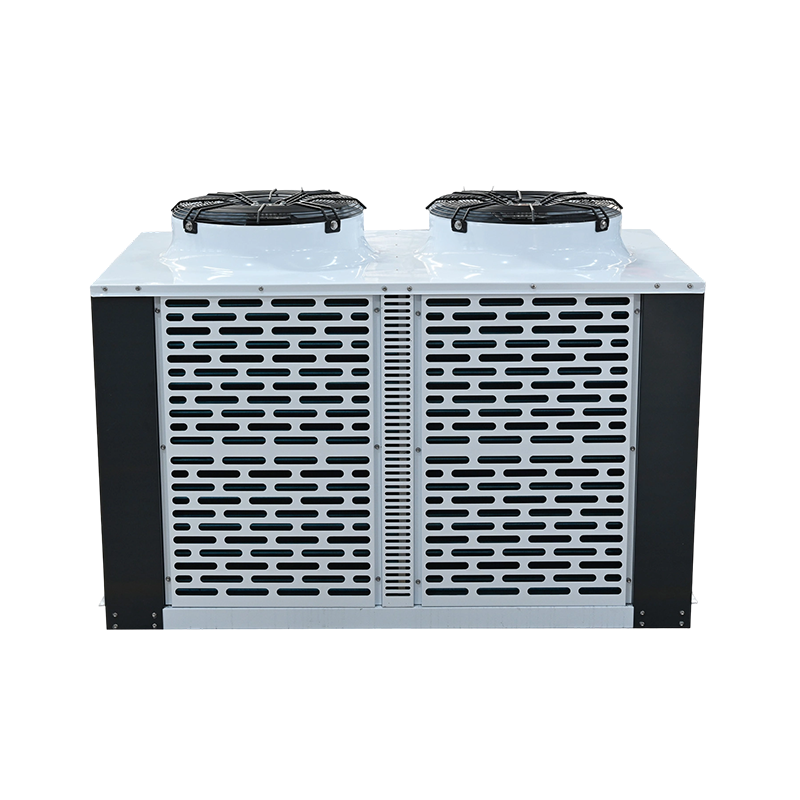
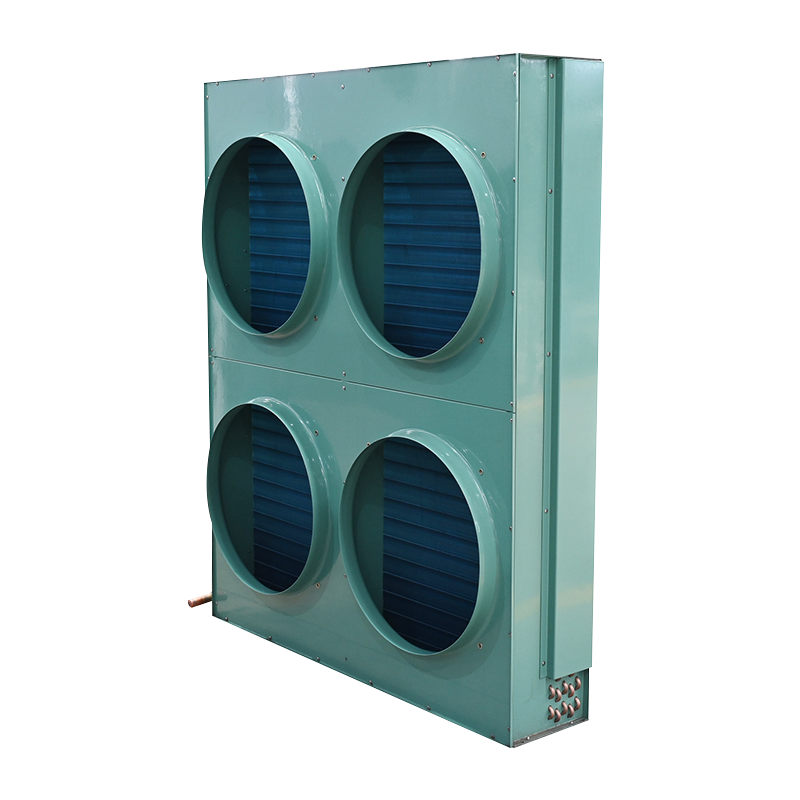
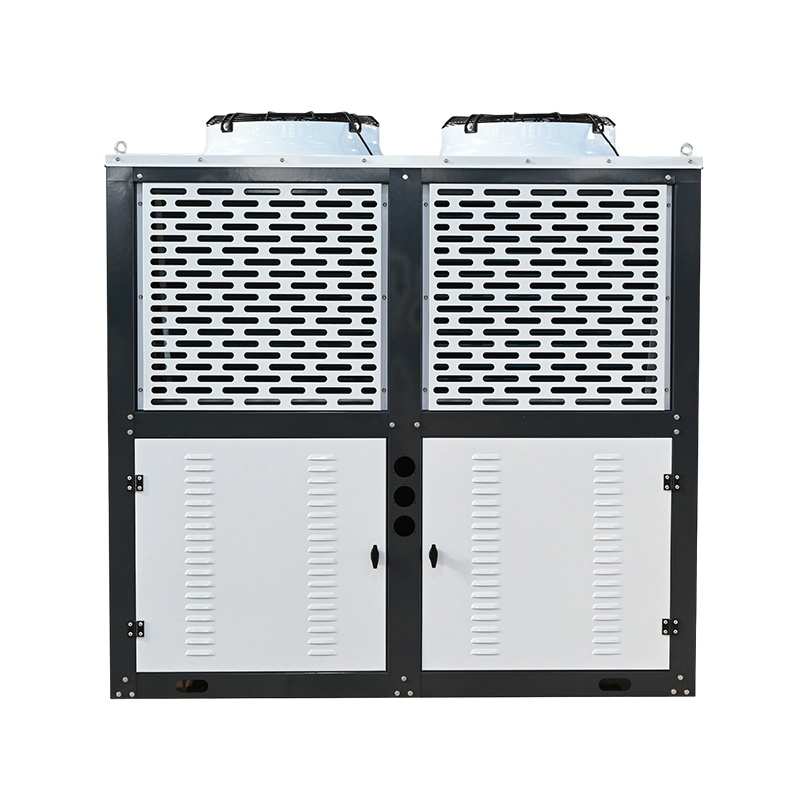
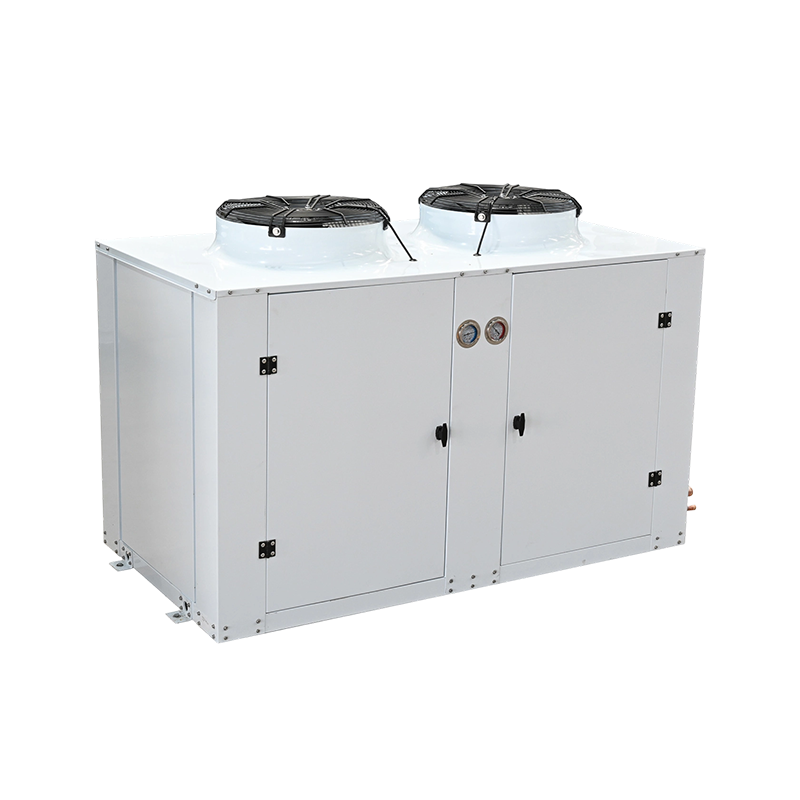
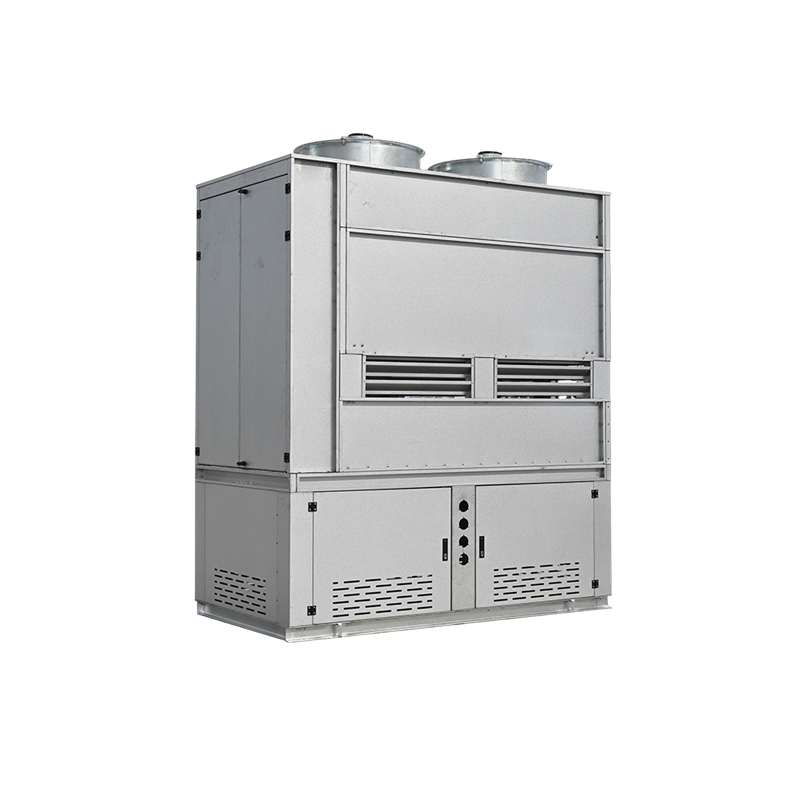
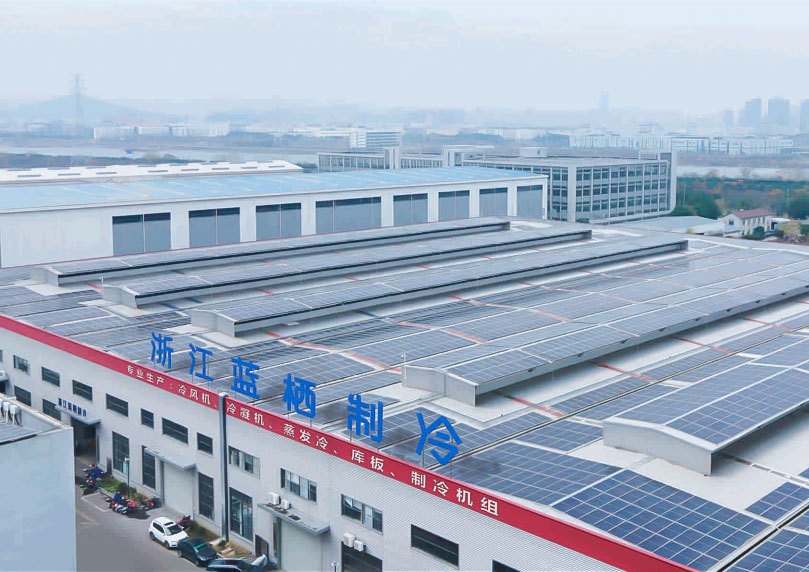
Zhejiang Lanxi Refrigeration Equipment Co., Ltd. specializes in manufacturing a range of refrigeration solutions, including air-cooled condensers widely applied in food processing, cold chain logistics, pharmaceutical, and chemical industries. Air-cooled condensers are critical components of refrigeration systems, transferring heat from the refrigerant to the surrounding air. Due to continuous operation and exposure to environmental conditions, these condensers may experience malfunctions that affect overall system performance. Understanding the common causes of failure is essential for effective maintenance and reliable operation.
Reduced Heat Transfer Efficiency
One common issue observed in air-cooled condensers supplied by Zhejiang Lanxi Refrigeration is reduced heat transfer efficiency. This can occur due to accumulation of dust, dirt, or debris on the condenser fins. Environmental pollutants or industrial dust can obstruct airflow, increasing the condensing temperature and reducing cooling performance. Regular cleaning of the fins and ensuring unobstructed airflow is necessary to maintain the efficiency of the unit. Corrosion of fin material, particularly in chemical or coastal environments, can also compromise heat transfer and should be monitored during inspections.
Fan and Motor Malfunctions
Fans and motors are integral to air-cooled condenser operation. Failures can occur due to worn bearings, misaligned fan belts, or electrical issues such as motor winding damage. Zhejiang Lanxi Refrigeration’s units incorporate protective features, but mechanical wear over time may still lead to uneven airflow or complete fan stoppage. Regular lubrication, alignment checks, and electrical inspection are required to reduce the risk of such malfunctions. Anomalies in motor operation often manifest as unusual noises, vibration, or overheating, signaling the need for immediate maintenance.
Refrigerant Flow Issues
Improper refrigerant flow is another frequent malfunction in air-cooled condensers. Leaks, undercharging, or overcharging of refrigerant can disrupt the thermodynamic balance, resulting in high discharge pressure, insufficient cooling, or compressor strain. Zhejiang Lanxi Refrigeration Co., Ltd. emphasizes precise refrigerant management during installation and routine service. Technicians monitor system pressure, refrigerant volume, and temperature differentials to identify flow irregularities and correct them before they affect overall system reliability.
Electrical Component Failures
Air-cooled condensers contain electrical components such as relays, contactors, and overload protection devices. Failure of these components can interrupt fan operation or compressor cycling. Electrical issues may arise from aging wiring, loose connections, or voltage fluctuations in industrial settings. Regular inspection of wiring, terminals, and protective devices is essential. Zhejiang Lanxi Refrigeration units are designed with protective circuits to minimize the impact of such failures, but proactive monitoring and maintenance remain necessary for consistent operation.
Vibration and Structural Stress
Vibration in air-cooled condensers can result from unbalanced fans, improper mounting, or mechanical wear. Persistent vibration may lead to structural stress, loosening of bolts, or damage to heat exchange surfaces. In industrial environments, where continuous operation is common, Zhejiang Lanxi Refrigeration Co., Ltd. recommends regular mechanical inspections, ensuring mounting integrity, and checking fan balance. Early detection of vibration issues prevents secondary damage and supports system stability.
Comparison of Common Malfunctions
The following table summarizes typical malfunctions, their causes, and recommended checks for air-cooled condensers provided by Zhejiang Lanxi Refrigeration:
| Malfunction |
Possible Cause |
Recommended Inspection or Action |
| Reduced heat transfer efficiency |
Dust accumulation, debris obstruction, corrosion |
Clean fins, inspect for corrosion, maintain airflow clearance |
| Fan or motor failure |
Worn bearings, misaligned belts, electrical issues |
Lubricate bearings, check belt alignment, inspect motor and electrical connections |
| Refrigerant flow irregularities |
Leaks, undercharge, overcharge |
Monitor system pressure, verify refrigerant volume, repair leaks |
| Electrical component failure |
Aging wiring, loose connections, voltage fluctuation |
Inspect wiring and terminals, test relays and protection devices |
| Vibration and structural stress |
Unbalanced fans, improper mounting, mechanical wear |
Check fan balance, inspect mounting, tighten structural components |
Preventive Measures and Maintenance
Zhejiang Lanxi Refrigeration emphasizes preventive measures to minimize malfunctions in air-cooled condensers. Routine inspections, cleaning, lubrication, and system checks are recommended according to operational intensity. Protective devices, including antifreeze, overheat, and overload sensors, are integrated into the units to safeguard against operational stress. Maintaining detailed service records and monitoring system parameters ensures early detection of potential issues and supports reliable performance in demanding industrial environments.
FAQ
Q: How can Zhejiang Lanxi Refrigeration’s air-cooled condensers maintain performance in harsh industrial environments?
A: Zhejiang Lanxi Refrigeration Equipment Co., Ltd. designs air-cooled condensers with durable materials and corrosion-resistant coatings suitable for harsh conditions such as chemical plants or coastal areas. Regular maintenance, including cleaning of fins and inspection of protective coatings, helps sustain performance and prolong the service life of the equipment.
Q: What strategies are used to prevent airflow obstruction in air-cooled condensers?
A: To prevent airflow obstruction, Zhejiang Lanxi Refrigeration’s condensers are installed with proper spacing and positioned to allow unobstructed air intake and exhaust. Periodic cleaning of fins, filters, and surrounding areas is recommended, ensuring consistent heat transfer and efficient operation in industrial applications.
Q: How does the company address refrigerant management for air-cooled condensers?
A: Zhejiang Lanxi Refrigeration Co., Ltd. emphasizes precise refrigerant management during installation and service. Technicians monitor system pressure, refrigerant charge, and temperature differences to maintain optimal cooling performance. This approach reduces the risk of compressor strain and ensures reliable operation in demanding environments.
Q: What measures are taken to protect air-cooled condensers from electrical faults?
A: The company integrates protection systems such as overload relays, overheat sensors, and voltage monitoring in air-cooled condensers. Regular inspection of wiring, terminals, and electrical components ensures safe operation and reduces the likelihood of service interruptions due to electrical faults.
Q: Can Zhejiang Lanxi Refrigeration air-cooled condensers be integrated with other refrigeration systems?
A: Yes, the company provides customized solutions that allow air-cooled condensers to work seamlessly with existing refrigeration or cold chain systems. This includes tailored piping, synchronized controls, and airflow coordination, ensuring efficient system integration without compromising performance.
Q: How are vibration and structural stress issues managed in air-cooled condensers?
A: Vibration and structural stress are managed through proper fan balancing, secure mounting, and routine inspection of mechanical components. Zhejiang Lanxi Refrigeration Co., Ltd. recommends periodic checks of fan alignment, bolt tightness, and support structures to prevent secondary damage and maintain stable operation.
Q: What maintenance practices help ensure long-term reliability of air-cooled condensers?
A: Regular cleaning of heat exchange surfaces, inspection of fans and motors, monitoring refrigerant levels, and checking electrical components are key practices. Zhejiang Lanxi Refrigeration Equipment Co., Ltd. also suggests keeping detailed service records to identify recurring issues and plan preventive maintenance, supporting consistent long-term performance.



 English
 中文简体
中文简体 русский
 Tiếng Việt