
-
 +86-15258555916
-
 [email protected]

 English
 中文简体
中文简体 русский
 Tiếng Việt
Complete Condenser Selection Guide: Choose the Right Condenser for Industrial & HVAC Systems
Content
- 1 Complete Condenser Selection Guide: Choose the Right Condenser for Industrial & HVAC Systems
- 2 1. Basic Classification & Core Advantages of Condensers
- 3 2. Key Factors for Professional Condenser Selection
- 4 3. Step-by-Step Condenser Selection Process
- 5 4. Common Condenser Selection Mistakes to Avoid
- 6 5. Conclusion
Complete Condenser Selection Guide: Choose the Right Condenser for Industrial & HVAC Systems
A condenser is a core heat transfer component widely used in HVAC systems, industrial refrigeration, chemical processing, power generation, and petroleum refining. It converts high-temperature vapor into liquid by releasing latent heat, ensuring stable system pressure, efficient heat dissipation, and continuous equipment operation. Selecting a suitable condenser is critical to improving energy efficiency, reducing operational costs, extending service life, and avoiding frequent system failures. Many project owners and engineers face challenges in condenser selection due to unclear parameter matching and improper type selection, leading to high power consumption, insufficient cooling capacity, and frequent maintenance issues.
This professional condenser selection guide systematically explains condenser types, core selection parameters, application scenarios, and common selection mistakes. It provides actionable, step-by-step reference standards for all industrial and commercial cooling projects, helping you pick the most cost-effective and high-performance condenser solution.
1. Basic Classification & Core Advantages of Condensers
Condensers are mainly categorized by cooling medium and structural design. Each type has unique performance characteristics, applicable environments, and cost attributes, forming the foundation of accurate selection.
1.1 Air-Cooled Condenser
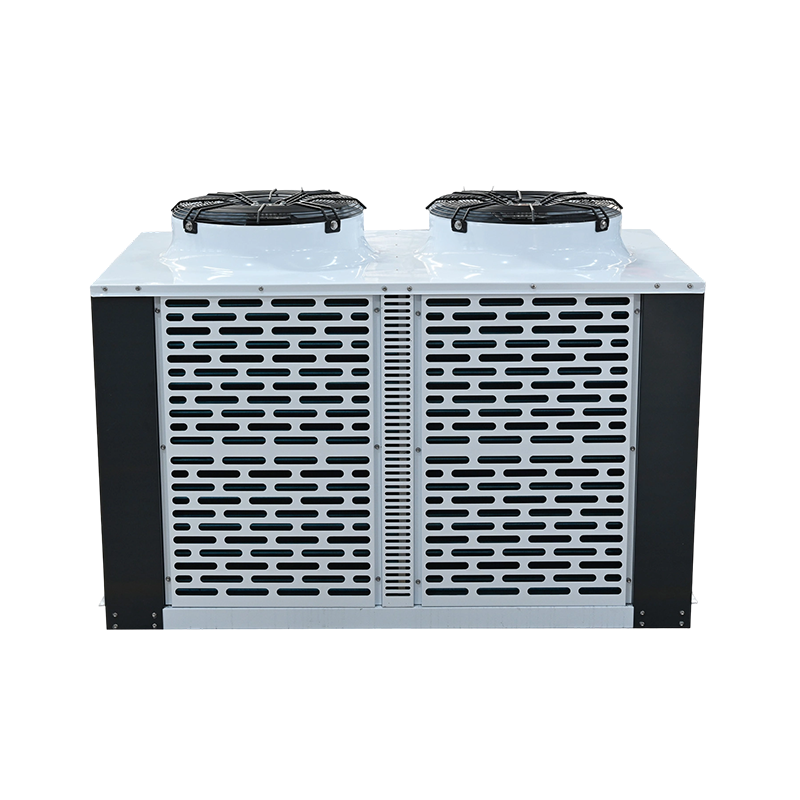
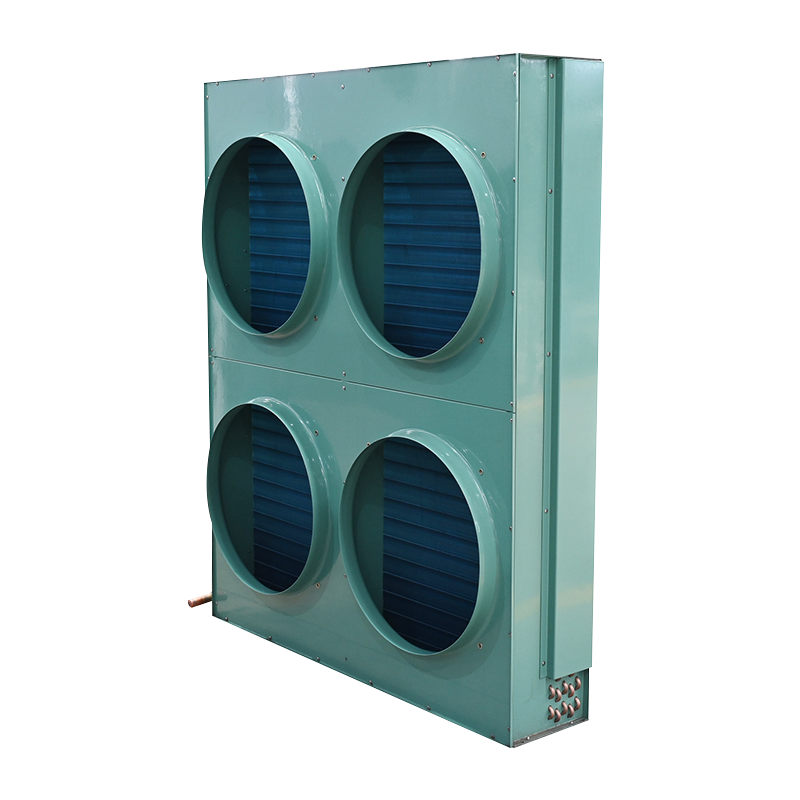
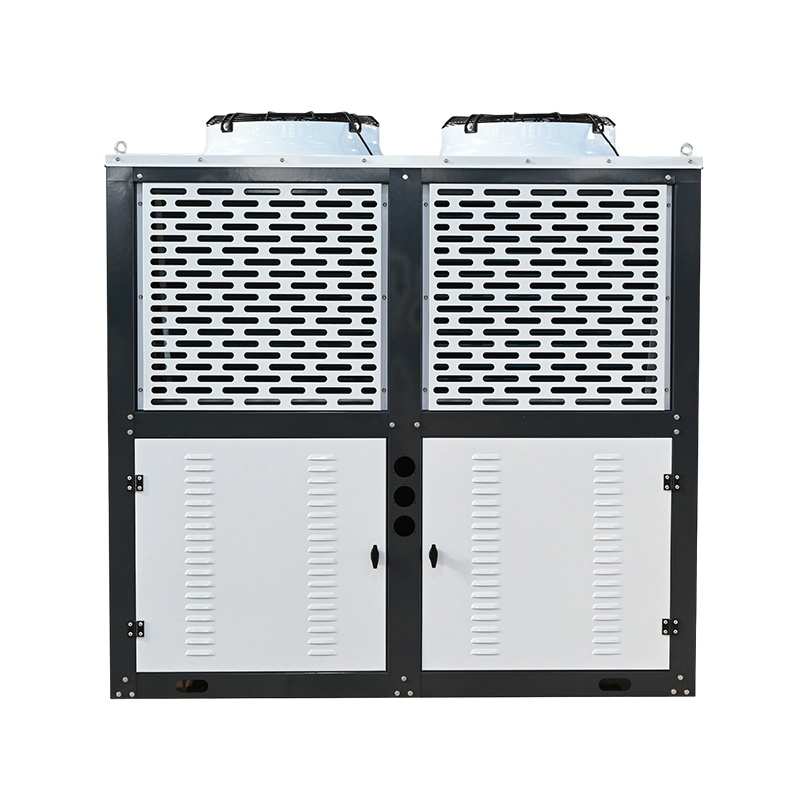
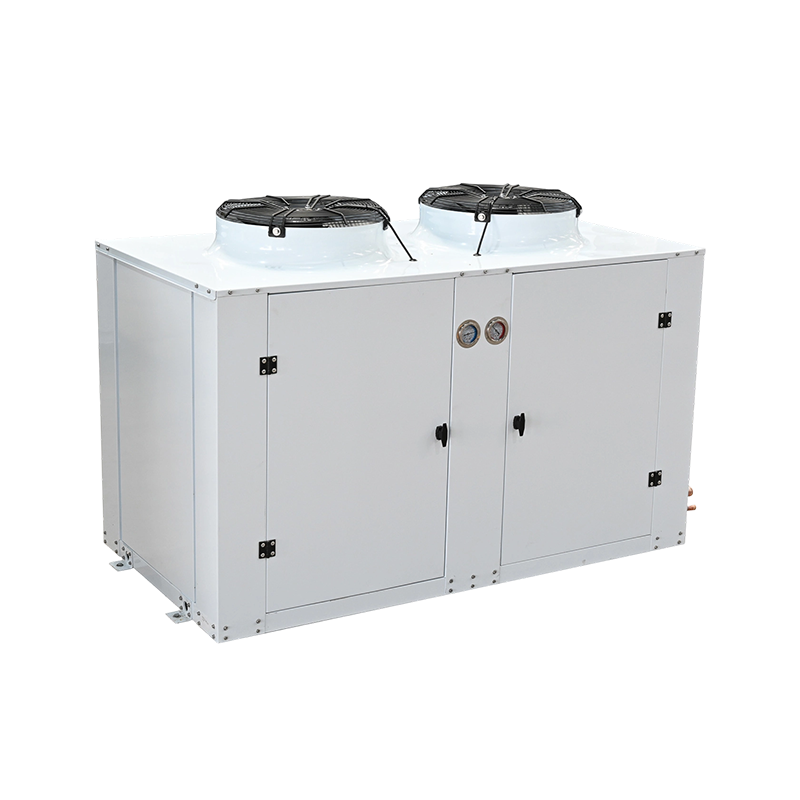
Air-cooled condensers rely on forced air circulation through fan operation to dissipate heat via coil heat exchange. They feature water-free operation, simple installation, and low maintenance requirements. This type requires no cooling water system, eliminating troubles such as pipeline blockage and water resource waste.
Core advantages: No water consumption, flexible installation, low initial investment, suitable for dry and water-scarce areas.
Applicable scenarios: Small and medium cooling load systems (below 25kW), commercial HVAC equipment, rooftop installations, and areas with insufficient water resources or strict water-saving policies.
1.2 Water-Cooled Condenser
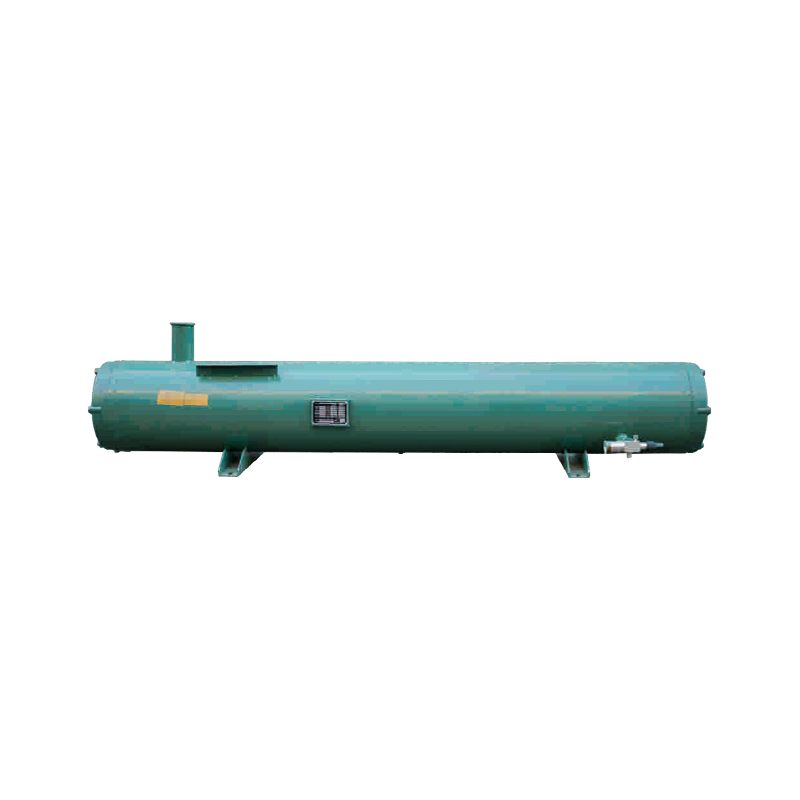
Water-cooled condensers use circulating cooling water as the heat exchange medium, with heat transferred from refrigerant vapor to cooling water and finally discharged through cooling towers. They deliver high heat transfer efficiency, stable cooling performance, and low operating noise.
Core advantages: Excellent heat dissipation effect, stable operation under high-temperature working conditions, ideal for long-term continuous industrial operation.
Applicable scenarios: Large industrial refrigeration systems, chemical production lines, power plants, and medium-to-high cooling load projects (above 50kW) with sufficient water resources.
1.3 Evaporative Condenser
Evaporative condensers integrate the advantages of air cooling and water cooling, utilizing water evaporation latent heat for heat dissipation. They feature small footprint, high comprehensive energy efficiency, and low comprehensive operating cost.
Core advantages: Saving cooling tower installation space, low energy consumption, strong adaptability to high-temperature and humid environments.
Applicable scenarios: Industrial refrigeration, cold storage projects, and sites with limited outdoor installation space and medium-to-large cooling loads.
1.4 Direct-Contact & Surface Condenser
Direct-contact condensers mix vapor and cooling medium directly, achieving heat transfer efficiency up to 99%, but they cannot guarantee condensate purity, suitable for geothermal power and vacuum distillation scenarios with low purity requirements. Surface condensers maintain complete separation of fluids, which is the most widely used type in industrial systems, applicable to refrigeration, steam power cycles, and chemical processes requiring condensate recovery.
2. Key Factors for Professional Condenser Selection
Reasonable condenser selection is not based on single parameter matching but comprehensive evaluation of cooling load, working environment, installation conditions, medium characteristics, and long-term operating cost. The following core factors determine the final matching effect.
2.1 System Cooling Load
Cooling load is the primary basis for selection. Different load ranges correspond to the most matching condenser types: Small cooling load (<25kW) prioritizes air-cooled condensers for cost savings; medium and large cooling load (>50kW) adopts water-cooled or evaporative condensers to ensure stable heat dissipation and high operational efficiency. It is necessary to reserve 10%-15% heat dissipation margin during selection to avoid insufficient cooling capacity caused by peak load and high ambient temperature.
2.2 Local Climate & Water Resource Conditions
Regional environment restricts condenser type selection significantly. For dry, water-short areas and urban areas with strict water-saving regulations, air-cooled condensers are the best choice to avoid excessive water consumption. For areas with abundant water resources and high summer temperature and humidity, water-cooled or evaporative condensers can maintain efficient heat dissipation and avoid performance attenuation caused by high ambient temperature.
2.3 Installation Space & Site Conditions
Installation space directly affects structural type selection. Evaporative condensers with integrated design save tower occupation space, perfect for plants and rooftops with limited outdoor area. Air-cooled condensers have flexible layout and no supporting water pipeline system, suitable for scattered installation and renovation projects. Water-cooled condensers require supporting cooling towers and circulating water pipelines, applicable for new projects with sufficient reserved space.
2.4 Working Medium & Material Compatibility
Industrial scenarios such as chemical, petroleum, and marine environments contain corrosive vapor and impurities. Ordinary carbon steel condensers are prone to corrosion and leakage, so it is necessary to match anti-corrosion materials such as stainless steel coils and galvanized shells. For high-pressure vapor working conditions, condensers with enhanced heat transfer structures and high-pressure resistance designs should be selected to ensure operational safety and extend equipment service life.
2.5 Energy Consumption & Maintenance Cost
Initial investment and long-term operating costs must be balanced. Air-cooled condensers have low upfront cost and simple maintenance but relatively high energy consumption. Water-cooled and evaporative condensers have higher initial installation costs but lower long-term power consumption, which can effectively reduce operational expenses for long-running industrial equipment. In addition, select condensers with accessible coil structures and detachable fan protective covers to reduce cleaning and maintenance difficulty.
3. Step-by-Step Condenser Selection Process
Follow this standardized selection process to avoid mismatching and optimize system performance:
- Confirm core parameters — Clarify system cooling load, refrigerant type, working pressure, and maximum ambient temperature of the project site.
- Determine condenser type — Match air-cooled/water-cooled/evaporative type based on local water resources, climate, and installation space.
- Optimize structural configuration — Select heat transfer area, fan power, coil material, and anti-corrosion scheme according to working medium characteristics and load margin requirements.
- Verify comprehensive performance — Check energy consumption parameters, noise value, and equipment size to ensure compliance with site installation and environmental protection standards.
- Confirm after-sales and maintenance — Prioritize equipment with simple structure, convenient cleaning, and complete after-sales service to reduce later operating risks.
4. Common Condenser Selection Mistakes to Avoid
Most system operation failures stem from improper selection rather than equipment quality problems. Avoid these typical mistakes:
- Blind pursuit of low price: Ignoring matching degree of cooling capacity and working conditions leads to insufficient heat dissipation and increased energy consumption by more than 30%.
- No reserved cooling margin: Fixed parameter selection without considering high-temperature weather and peak load results in system high-pressure alarm and shutdown in summer.
- Neglecting material adaptability: Using ordinary materials in corrosive environments causes coil corrosion, refrigerant leakage, and shortened equipment life.
- Ignoring maintenance convenience: Complex structure design leads to difficult dust and scale cleaning, long-term heat transfer efficiency attenuation, and increased operating costs.
5. Conclusion
High-precision condenser selection is the key to ensuring efficient, stable, and low-cost operation of refrigeration and heat exchange systems. The core of selection is to match the appropriate condenser type, structural parameters, and material scheme according to project cooling load, regional climate, installation conditions, and medium characteristics. Reasonable selection can not only improve system heat transfer efficiency and reduce energy consumption but also greatly reduce maintenance frequency and equipment replacement cost, creating long-term economic benefits for industrial and commercial projects.
If you need customized condenser selection, parameter calculation, and project solution design, contact our professional engineering team to get one-to-one accurate matching and technical support!
-
Condenser: The Core Heat Rejection Component of All Refrigeration & HVAC Systems Every functiona...
READ MORE -
In a busy cold storage room or food processing line, a poorly selected industrial air cooler can ca...
READ MORE -
Air-cooled condensers (ACCs) offer a compelling and increasingly well-documented set of advantages o...
READ MORE -
What Is an Industrial Air Cooler and How Does It Work in a Refrigeration System? Picture a medium-s...
READ MORE -
Looking for an affordable, energy-saving alternative to air conditioners for residential, commercia...
READ MORE -
Walk into a cold storage room and feel the air near the door. If one corner is warmer than another,...
READ MORE

- Email: [email protected]
- Phone: +86-15258555916
- Add: 301 Punan Avenue, Pukou Street, Shengzhou City, Shaoxing City, Zhejiang Province.China
Copyright © Zhejiang Lanxi Refrigeration Equipment Co., Ltd. All Rights Reserved.
浙ICP备2022034605号-1
 Custom Refrigeration Equipment Manufacturers
