
-
 +86-15258555916
-
 [email protected]

 English
 中文简体
中文简体 русский
 Tiếng Việt
Condenser Complete Guide: Function, Types, Applications & Industrial Refrigeration Selection Guide
Content
- 1 1. What Is a Condenser & Its Core Function
- 2 2. 3 Main Types of Refrigeration Condensers (Pros, Cons & Applicable Scenarios)
- 3 3. Wide Industrial & Commercial Applications of Condensers
- 4 4. How to Choose the Right Condenser for Your Project
- 5 5. Daily Maintenance Tips to Extend Condenser Lifespan
- 6 6. Frequently Asked Questions (FAQ) — High Intent Search Keywords
- 6.1 Q1: What’s the difference between a condenser and an evaporator?
- 6.2 Q2: Why does my condenser show high head pressure?
- 6.3 Q3: What’s the normal service life of a refrigeration condenser?
- 6.4 Q4: Can evaporative condensers work in cold winter?
- 6.5 Q5: Do you support customized condensers for special refrigerants like CO2?
- 7 Closing Paragraph
Condenser: The Core Heat Rejection Component of All Refrigeration & HVAC Systems
Every functional cooling system—from household air conditioners and walk-in cold rooms to large industrial chillers and food cold chain facilities—relies on one irreplaceable part: the condenser. Often called the “heat outlet” of refrigeration equipment, it directly determines system energy efficiency, stable operation and service life.
If you are a cold storage engineer, HVAC contractor, refrigeration equipment buyer or factory owner, this full guide will break down condenser basics, classify mainstream models, compare their advantages and match them with different project scenarios to help you pick the optimal condenser for your business.
1. What Is a Condenser & Its Core Function
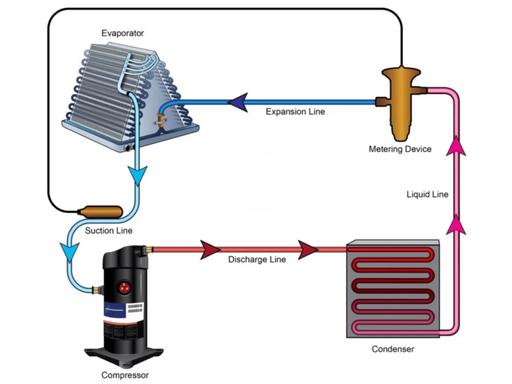
A condenser is a professional heat exchanger designed to remove heat from high-pressure, high-temperature refrigerant vapor and convert the vapor back into liquid refrigerant, completing the full vapor-compression refrigeration cycle.
Three Key Working Stages Inside a Condenser
- Desuperheating: The superheated hot refrigerant vapor discharged from the compressor first loses excess sensible heat and drops to saturated temperature.
- Condensation (Core Process): The saturated vapor releases massive latent heat to cooling media (air or water), and phase-changes from gas to liquid.
- Subcooling: Liquid refrigerant is further cooled below saturation temperature, avoiding flash gas and boosting overall cooling capacity.
Why Condensers Are Indispensable
The evaporator absorbs heat from cold rooms or indoor spaces, while the condenser discharges all captured heat to the external environment. Without effective heat rejection, refrigerant pressure will surge sharply, compressors overheat and burn out, and the whole cooling system stops working. Simply put: no qualified condenser = no stable cooling.
 |
 |
2. 3 Main Types of Refrigeration Condensers (Pros, Cons & Applicable Scenarios)
Condensers are categorized by cooling medium. The three most widely used models are air-cooled, water-cooled and evaporative condensers.
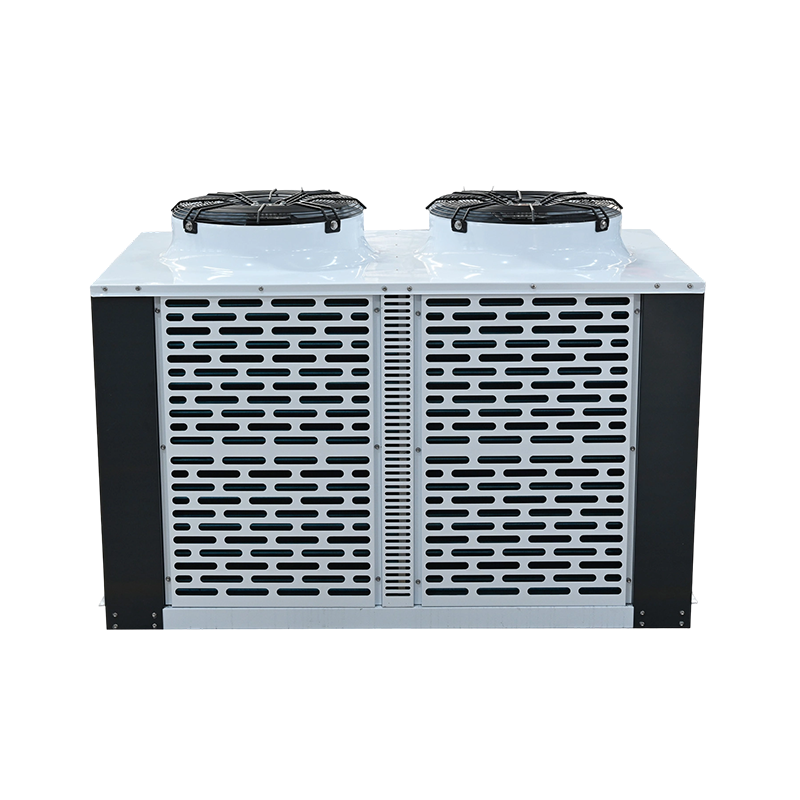
2.1 Air-Cooled Condenser
Working Logic
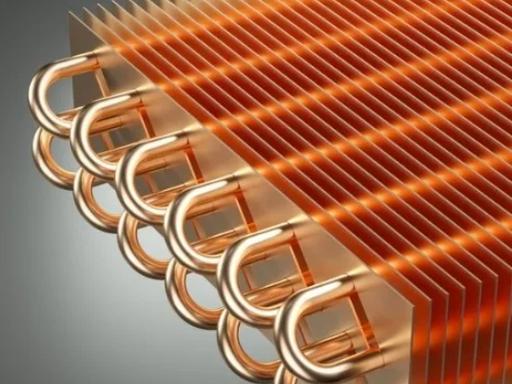
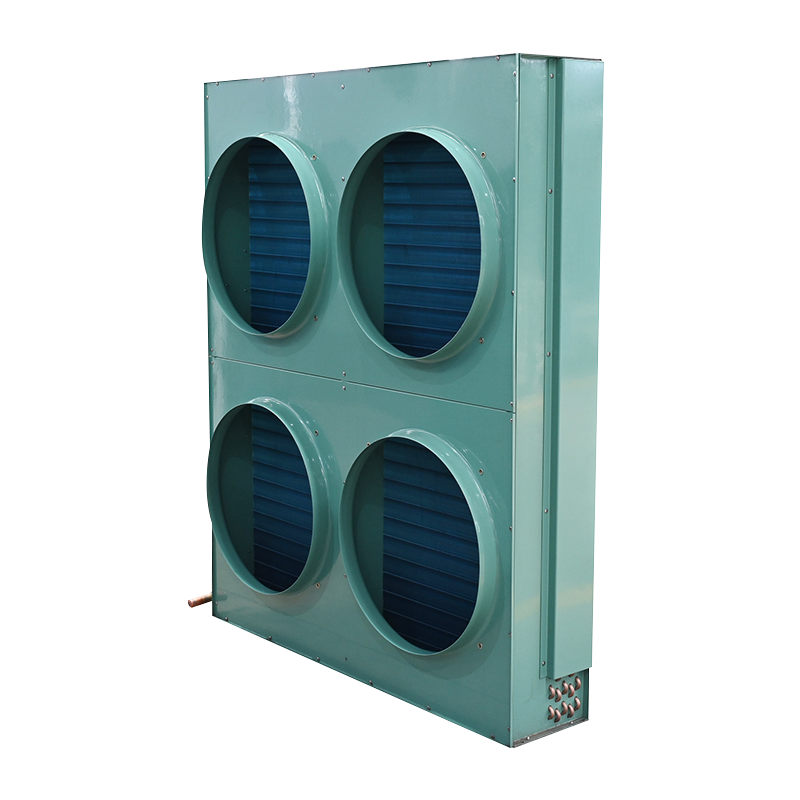
High-speed axial fans blow ambient air over finned copper -aluminum coils; air absorbs heat from refrigerant to finish condensation.
Advantages
- No water pipeline, cooling tower or water pump required; low installation cost
- Simple structure, low daily maintenance, no scaling trouble
- Perfect for water-scarce areas, mobile refrigeration units and small cold rooms
Disadvantages
- Heat transfer efficiency lower than water-cooled models
- Performance drops drastically under ultra-high ambient temperature (over 35℃)
Typical Applications
Small & medium walk-in coolers/freezers, supermarket display cabinets, residential/commercial split AC, rooftop HVAC units, container cold storage
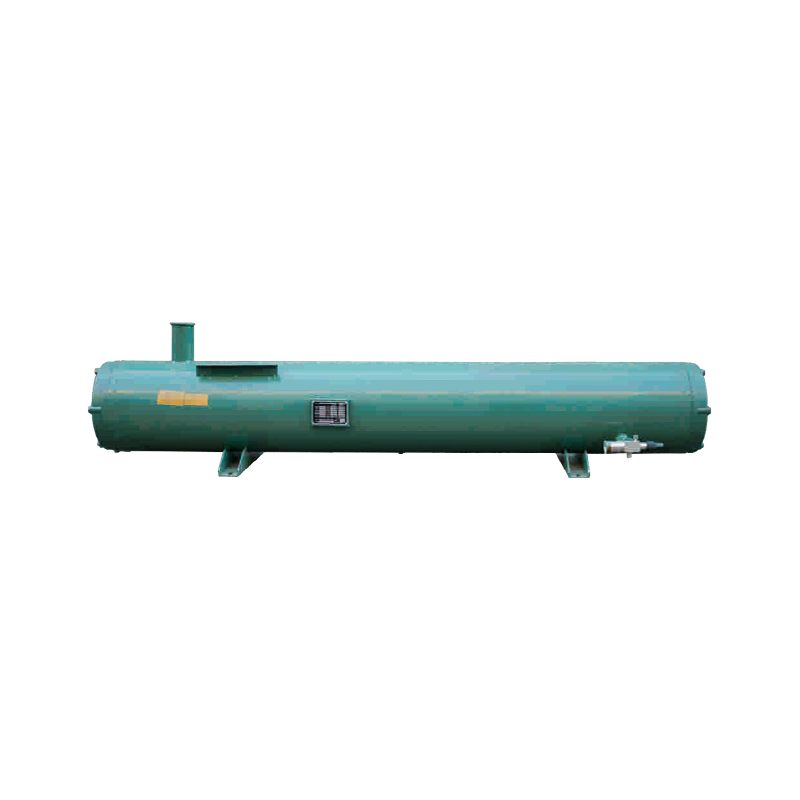
2.2 Water-Cooled Condenser
Working Logic
Cooling water circulates through shell-and-tube or double-pipe structures; water carries away refrigerant heat and flows to cooling towers for recycling cooling.
Advantages
- Superior heat exchange performance, stable low condensing temperature
- High COP (energy efficiency), compact footprint, low running noise
- Steady output even in hot summer climates
Disadvantages
- Complete water circulation system (tower, pump, pipeline) needed, higher upfront investment
- Regular water treatment to prevent tube scaling and corrosion
Typical Applications
Large industrial chillers, central air conditioning systems, medium & large cold storage, chemical process cooling
2.3 Evaporative Condenser
Working Logic
Combines air and water cooling: water sprays form a thin film on coil surfaces; water evaporation absorbs massive heat, and fans discharge humid hot air.
Advantages
- Near-wet-bulb condensing temperature, highest energy-saving performance
- Water consumption only 10%-20% of traditional water-cooled systems
- Smaller floor area than matched water-cooled + cooling tower sets
Disadvantages
- Higher unit price; needs anti-freezing treatment in cold winter regions
- Spray pipelines require regular cleaning to block limescale buildup
Typical Applications
Large frozen food cold chains, industrial ammonia refrigeration systems, meat processing plants, large logistics cold warehouses
3. Wide Industrial & Commercial Applications of Condensers
Condensers are not limited to HVAC and cold storage; they serve dozens of industries with strict cooling demands:
- Cold Chain & Food Industry: Walk-in freezers, blast freezers, seafood cold storage, dairy milk cooling, fruit & vegetable preservation warehouses
- Commercial HVAC: Shopping mall central AC, office building chillers, hotel cooling systems
- Industrial Manufacturing: Pharmaceutical constant-temperature workshops, chemical solvent recovery, plastic injection molding cooling, battery production temperature control
- Special Scenarios: Container refrigeration units, transport refrigeration, waste heat recovery systems
4. How to Choose the Right Condenser for Your Project
Follow these 5 core criteria to avoid mismatched equipment and extra operation costs:
- Local Climate & Water ResourceDry, water-short regions: choose air-cooled condensers; cities with sufficient water and high-temperature summers: water-cooled or evaporative types.
- Refrigeration System CapacitySmall cooling load (<25kW): air-cooled; medium-large load (>50kW): water-cooled or evaporative condensers.
- Installation Space RestrictionLimited outdoor space: evaporative condenser (integrated design saves tower area); roof installation without water supply: air-cooled unit.
- Budget & Long-Term Energy CostLow initial budget, low daily operation hours: air-cooled; long 24/7 running cold storage: evaporative condenser cuts power bills significantly.
- Refrigerant MatchingCompatible with R404A, R22, R134a, CO2 and ammonia refrigerants; custom coil materials (stainless steel for corrosive working conditions) available.
5. Daily Maintenance Tips to Extend Condenser Lifespan
A well-maintained condenser can serve 8–12 years, while neglected units face frequent breakdowns within 3 years:
- Air-cooled condenser: Clean fin coil dust every 1–3 months to avoid blocked airflow and high head pressure.
- Water-cooled & evaporative condenser: Test water quality monthly, add scale inhibitor and flush pipelines quarterly.
- Check fan motor vibration, noise and running current regularly; replace aging fan bearings timely.
- Inspect heat coil for corrosion or leakage; coat anti-rust paint for outdoor units in coastal salt-spray areas.
- Clear surrounding obstacles to guarantee smooth air circulation and full heat dissipation.
6. Frequently Asked Questions (FAQ) — High Intent Search Keywords
Q1: What’s the difference between a condenser and an evaporator?
The condenser rejects heat out of the system; the evaporator absorbs heat inside cold rooms. They are two matched heat exchangers forming the complete cooling cycle.
Q2: Why does my condenser show high head pressure?
Main causes: dirty coil blocking heat dissipation, insufficient fan airflow, overcharged refrigerant, poor ventilation around the unit, or faulty cooling tower for water-cooled models.
Q3: What’s the normal service life of a refrigeration condenser?
Standard copper-aluminum air-cooled models: 8–10 years; stainless steel evaporative/water-cooled condensers: up to 12–15 years under regular maintenance.
Q4: Can evaporative condensers work in cold winter?
Yes, but anti-freezing electric heating modules and drain valves must be equipped to prevent spray water pipelines from cracking under sub-zero temperatures.
Q5: Do you support customized condensers for special refrigerants like CO2?
Most professional manufacturers offer customized adiabatic condensers and gas coolers tailored for transcritical CO2 refrigeration systems.
Closing Paragraph
As the heat rejection heart of cooling equipment, a high-quality, properly matched condenser greatly reduces your long-term electricity cost and cuts equipment failure downtime.
We supply full series of air-cooled, water-cooled and evaporative condensers with customized size, coil material, fan power and refrigerant matching for cold storage, HVAC and industrial refrigeration projects worldwide. If you need technical parameter consultation, quotation or custom design support, feel free to send your project cooling load, local ambient temperature and installation conditions to our sales team for one-stop professional solutions.
-
Complete Condenser Selection Guide: Choose the Right Condenser for Industrial & HVAC Systems A c...
READ MORE -
A cold storage manager in a food plant once called us about a unit that could not pull a 200 square...
READ MORE -
What Is an Industrial Air Cooler and How Does It Work in a Refrigeration System? Picture a medium-s...
READ MORE -
High-quality refrigeration equipment is the core foundation of reliable cooling solutions for moder...
READ MORE -
When a food-processing plant in a water-scarce region evaluates its refrigeration options, the cond...
READ MORE -
A dual discharge unit cooler — also known as a double side discharge air cooler, dual-flow evaporato...
READ MORE

- Email: [email protected]
- Phone: +86-15258555916
- Add: 301 Punan Avenue, Pukou Street, Shengzhou City, Shaoxing City, Zhejiang Province.China
Copyright © Zhejiang Lanxi Refrigeration Equipment Co., Ltd. All Rights Reserved.
浙ICP备2022034605号-1
 Custom Refrigeration Equipment Manufacturers
