

 English
 中文简体
中文简体 русский
 Tiếng Việt
High-quality refrigeration equipment is the core foundation of reliable cooling solutions for modern commercial, industrial, and residential sectors. Professional refrigeration systems play a vital role in preserving food freshness for supermarkets, restaurants, and catering businesses, as well as maintaining stable constant temperatures for pharmaceutical storage, chemical processing, and industrial production. Premium refrigeration equipment guarantees stable operational efficiency, maximum product safety, and long-term cost savings for global businesses. With continuously rising energy costs and increasingly strict international environmental protection standards, selecting durable, energy-saving, and low-carbon refrigeration equipment has become a top priority for enterprises of all scales seeking stable and sustainable operation.
This in-depth industry guide covers all key information about professional refrigeration equipment, including mainstream types, core benefits, practical selection criteria, daily maintenance guidelines, and the latest 2026 refrigeration industry trends. It aims to help global buyers and business owners pick cost-effective refrigeration equipment and customized cooling solutions tailored to their unique application scenarios.
Core Types of Refrigeration Equipment & Application Scenarios
Refrigeration equipment can be scientifically classified by application scenario, cooling capacity, and structural design, covering small commercial refrigeration units, medium-sized catering cooling equipment, and large industrial refrigeration systems. Every type of refrigeration machine boasts unique functional advantages and targeted application fields, meeting the diversified cooling and fresh-keeping needs of different industries.
Commercial Refrigeration Equipment
Commercial refrigeration equipment is specially designed for small and medium-scale cooling demands, widely adopted in catering, retail, hotel, medical, and convenience store industries. The most popular commercial refrigeration products include display coolers, under-counter refrigerators, walk-in coolers, commercial blast chillers, and all-in-one monoblock refrigeration units. This commercial cooling equipment features a compact body structure, fast and simple installation, precise intelligent temperature control, and ultra-low noise operation, ideal for daily commercial use.
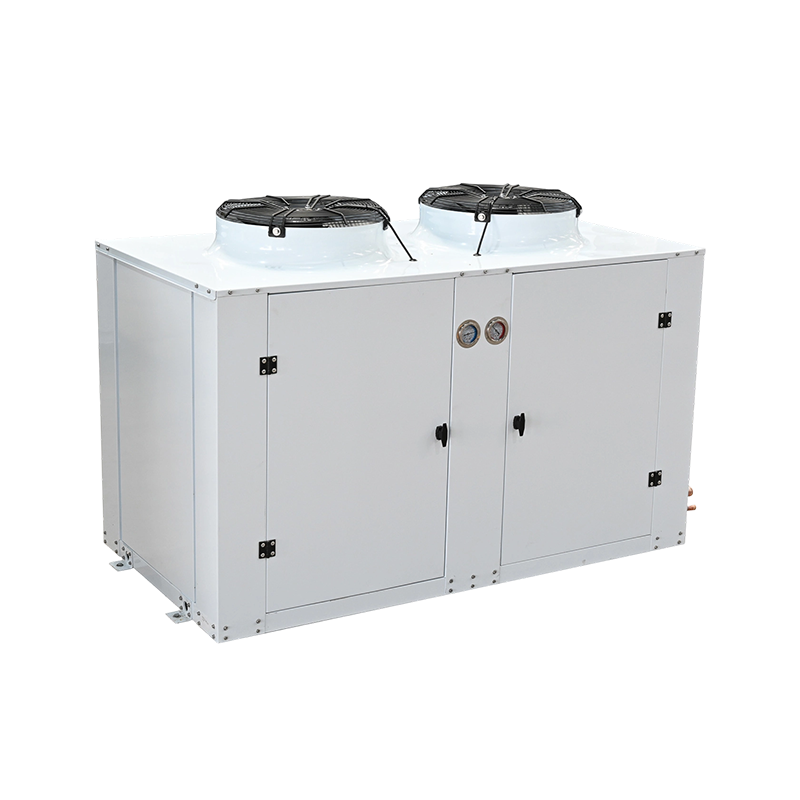
As classic all-in-one self-contained cooling systems, monoblock refrigeration units are highly favored by merchants for their tool-free simple installation and flexible layout. They are the perfect refrigeration equipment for small cold rooms, commercial kitchens, and limited-space retail venues. Meanwhile, commercial display refrigerators integrate efficient cooling performance and high-transparency product display functions, effectively boosting commodity sales while ensuring fresh storage for supermarket and convenience store products.
Industrial Refrigeration Equipment
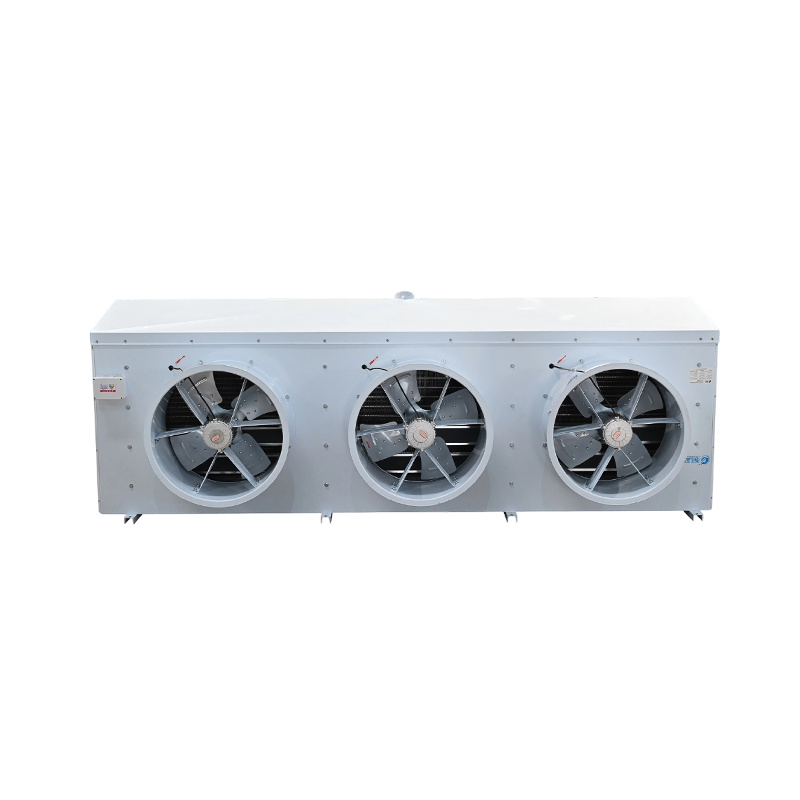
Industrial refrigeration equipment is professionally engineered for high-load, 24/7 long-duration continuous operation, supporting large-scale cold storage warehousing, food deep processing, chemical manufacturing, logistics cold chain transportation, and industrial constant-temperature production. Mainstream industrial refrigeration equipment includes industrial screw chillers, reciprocating chillers, large-scale cold room refrigeration units, and ultra-low-temperature industrial freezing systems.
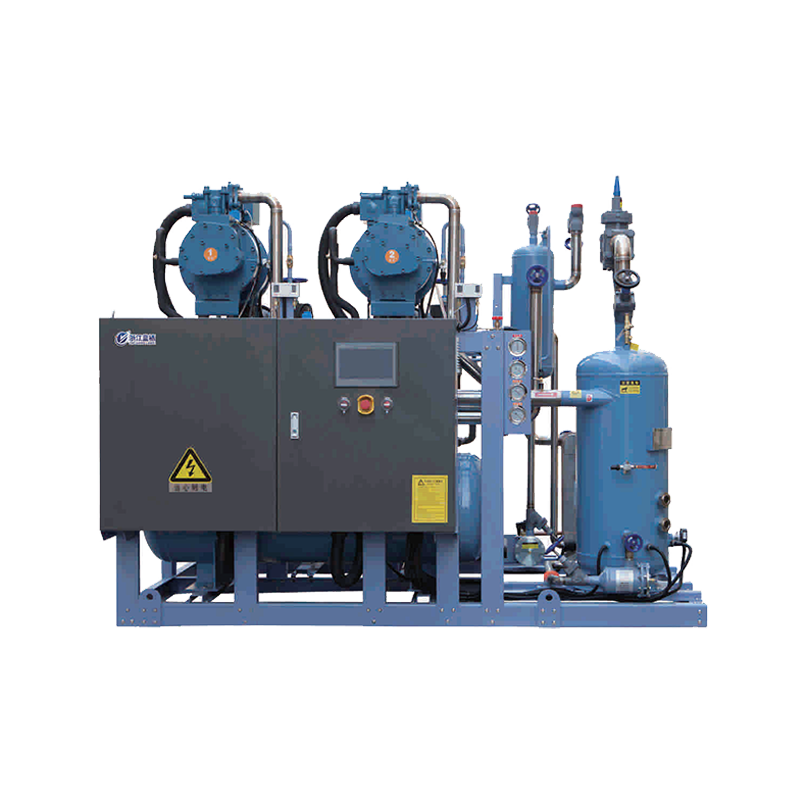
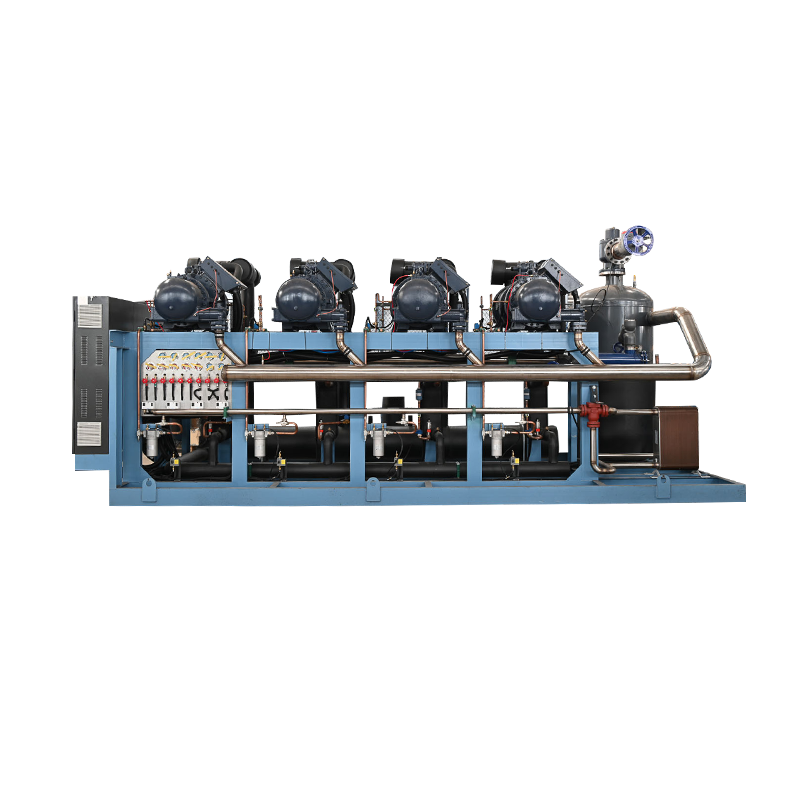
Industrial screw chillers have become the mainstream refrigeration equipment for industrial scenarios, thanks to their modular expandable design, stable high cooling capacity, and low-cost daily maintenance. This industrial cooling equipment can adapt to complex factory layouts and long-term uninterrupted operation, effectively reducing overall industrial production costs while maintaining accurate and stable low-temperature working environments.
Specialized Refrigeration Equipment
Specialized refrigeration equipment refers to customized professional cooling devices for high-standard industry scenarios, including medical pharmaceutical refrigerators for constant-temperature drug and vaccine storage, ultra-low-temperature freezers for laboratory scientific research, and corrosion-resistant refrigeration units for chemical plants and marine environments. These customized refrigeration devices adopt high-grade special materials and high-precision intelligent control systems to meet strict industry safety, storage, and environmental adaptation standards.
Key Advantages of Modern High-Quality Refrigeration Equipment
Modern upgraded refrigeration equipment outperforms traditional old-fashioned cooling devices in energy efficiency, operational stability, and intelligent management, bringing tangible cost-saving and efficiency-improving value for commercial and industrial users. Choosing modern high-quality refrigeration systems is the key to optimizing cooling operation and reducing long-term operating costs.
Outstanding Energy Efficiency & Cost Reduction
Traditional refrigeration equipment is plagued by high energy consumption, low heat exchange efficiency, and unstable cooling performance. In contrast, modern energy-saving refrigeration equipment is equipped with high-efficiency core compressors, optimized condenser and evaporator structures, and intelligent frequency conversion systems. The equipment can automatically adjust cooling power according to real-time ambient temperature and storage demands, cutting invalid energy consumption by 20%–40% and greatly reducing long-term electricity operating costs for businesses.
Long-Term Reliability & Durability
Premium industrial and commercial refrigeration equipment adopts thickened heavy-duty cabinet structures, anti-corrosion stainless steel materials, and high-precision imported core components. The reinforced structural design effectively resists daily friction, external impact, and humid corrosive environments, significantly extending the service life of refrigeration equipment. Stable component operation also avoids frequent equipment failures and production downtime losses, lowering subsequent maintenance and replacement costs.
Precise Temperature & Humidity Control
Different types of goods have strict temperature and humidity storage standards. Food spoilage, pharmaceutical failure, and industrial material deterioration are mainly caused by unstable cooling temperatures and humidity fluctuations. Modern precision refrigeration equipment supports accurate micro-temperature adjustment with minimal error, perfectly matching the fresh-keeping and low-temperature storage needs of fruits, vegetables, meat, seafood, medicines, and chemical materials, maximizing product shelf life and reducing commodity waste.
Intelligent & Sustainable Performance
With the rapid development of IoT intelligent technology, smart refrigeration equipment has become the mainstream choice for modern enterprises. Intelligent cooling systems support remote real-time temperature monitoring, abnormal failure alarms, and operational data statistics, allowing users to check equipment status anytime via mobile phones or computers for refined remote management. Meanwhile, modern eco-friendly refrigeration equipment adopts new low-carbon refrigerants to replace traditional high-GWP refrigerants, reducing carbon emissions and fully complying with global environmental protection and sustainable development policies.
How to Choose the Right Refrigeration Equipment: Professional Selection Guide
Selecting the most suitable refrigeration equipment according to actual business demands is the core of improving cost performance and operational stability. For commercial and industrial buyers, the following professional selection principles can help you avoid pitfalls and purchase high-quality cooling solutions:
- Confirm cooling demand and usage scenario — First, clarify your application environment (commercial or industrial), required constant temperature range, and daily operation hours. Low-temperature freezing equipment for food processing, constant-temperature refrigeration units for pharmaceutical storage, and normal-temperature fresh-keeping equipment for supermarkets have completely different configuration parameters and performance requirements.
- Focus on official energy efficiency grade — Prioritize high energy-efficiency certified refrigeration equipment. Although the initial procurement cost is slightly higher, the long-term energy-saving benefits can quickly offset the investment cost and bring continuous economic returns for enterprises.
- Check equipment material and structural performance — For humid, corrosive, or high-frequency continuous operation scenarios, it is essential to select refrigeration equipment with anti-corrosion coatings and reinforced structural design to ensure long-term stable operation and reduce failure rates.
- Consider installation and maintenance convenience — For small spaces such as commercial kitchens and mini cold rooms, choose integrated monoblock refrigeration units with simple installation and no complex debugging. For large industrial cold storage and logistics warehouses, select modular combined refrigeration systems to facilitate later capacity expansion and daily maintenance.
Daily Maintenance Tips to Extend Equipment Service Life
Scientific and standardized daily maintenance is the key to avoiding sudden failures of refrigeration equipment, stabilizing long-term cooling performance, and extending the service life of cooling systems. Here are the most practical core maintenance tips for commercial and industrial refrigeration equipment:
First, regularly clean the condenser and evaporator coils of refrigeration equipment. Accumulated dust and debris will block airflow, reduce heat exchange efficiency, cause the compressor to overload and overwork, resulting in increased energy consumption and even equipment breakdowns. Regular cleaning ensures unobstructed heat dissipation and stable cooling capacity.
Second, monitor the refrigerant level of refrigeration systems in real time. Insufficient refrigerant will lead to insufficient cooling capacity and long-term overload operation of the equipment. Professional technicians should regularly inspect, replenish refrigerant, and check for leakage points to avoid performance degradation and environmental pollution.
Third, keep the operating environment of refrigeration equipment ventilated and dry. Keep away from heat sources to avoid high ambient temperature affecting cooling efficiency. In addition, regularly check door sealing strips and circuit systems to prevent cold air leakage, temperature instability, and circuit faults.
2026 Latest Trends of Refrigeration Equipment Industry
The global refrigeration equipment industry is accelerating iteration towards intelligence, high energy conservation, and green sustainability in 2026. Firstly, IoT smart refrigeration equipment has become the mainstream trend. Remote real-time monitoring, automatic fault diagnosis, and data-driven operation optimization realize unattended intelligent management of cooling systems, greatly reducing labor costs.
Secondly, green low-carbon refrigeration technology is widely popularized. Modern refrigeration equipment adopts zero-ODP and low-GWP eco-friendly refrigerants, matched with high-efficiency energy-saving structural design, helping enterprises meet global carbon emission standards and comply with international environmental protection regulations.
Thirdly, customized integrated refrigeration solutions are increasingly favored by global buyers. Professional refrigeration equipment suppliers no longer simply sell single machines, but provide one-stop customized services including scheme design, on-site installation, after-sales maintenance, and personalized adjustment, meeting the differentiated cooling demands of various industries.
Final Thoughts
Refrigeration equipment is an indispensable core facility for modern commercial operations and industrial production. Whether it is daily food fresh-keeping storage, industrial low-temperature processing, or pharmaceutical constant-temperature precision storage, high-performance refrigeration systems can effectively reduce product spoilage waste, save long-term energy operating costs, and improve overall operational efficiency for enterprises.
When purchasing and configuring refrigeration equipment, enterprises should comprehensively consider actual scenario demands, energy-saving performance, equipment durability, and professional after-sales service. Choosing reliable, efficient, and sustainable customized refrigeration cooling solutions can create stable long-term economic benefits for business development.
Looking for high-quality, energy-efficient refrigeration equipment and professional customized cooling solutions for your business? Contact us right now to get free professional technical support and a competitive exclusive quotation!