
-
 +86-15258555916
-
 [email protected]

 English
 中文简体
 русский
 Tiếng Việt

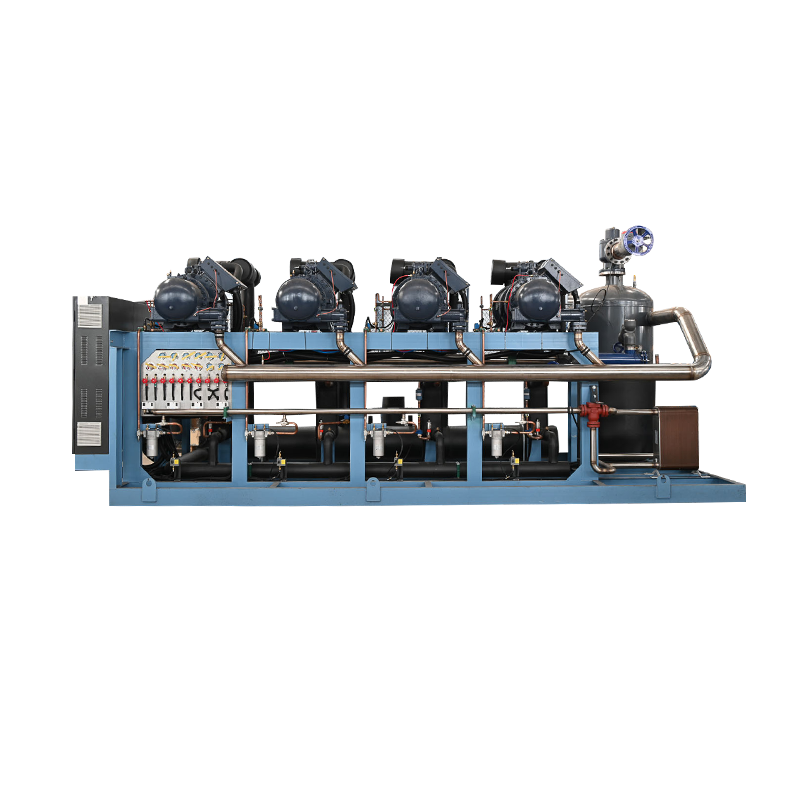
Bitzer Piston Parallel Unit
The Bitzer piston parallel unit is a centralized refrigeration system designed for medium- and low-temperature applications, with a strong focus on operational stability, flexible load regulation, and long-term reliability. The unit adopts a parallel configuration with multiple compressors operating together, allowing staged or combined operation according to actual cooling load demand. This design ensures stable cooling capacity while improving efficiency under partial-load conditions, making it well suited for cold storage facilities, cold chain logistics, and industrial refrigeration applications that require continuous and reliable operation.
The unit is equipped with semi-hermetic compressors from well-known domestic and international brands, featuring a mature design and efficient performance. During operation, the compressors exhibit low vibration and controlled noise levels, helping to improve the machinery room environment and minimize impact on surrounding areas. Their stable mechanical performance also contributes to an extended service life, reducing equipment wear caused by frequent start-stop cycles or prolonged high-load operation.


Equipment Parameters Introduction
Detail Display
Contact Us
Equipment Parameters Introduction
Detail Display

Contact Us
ABOUT US
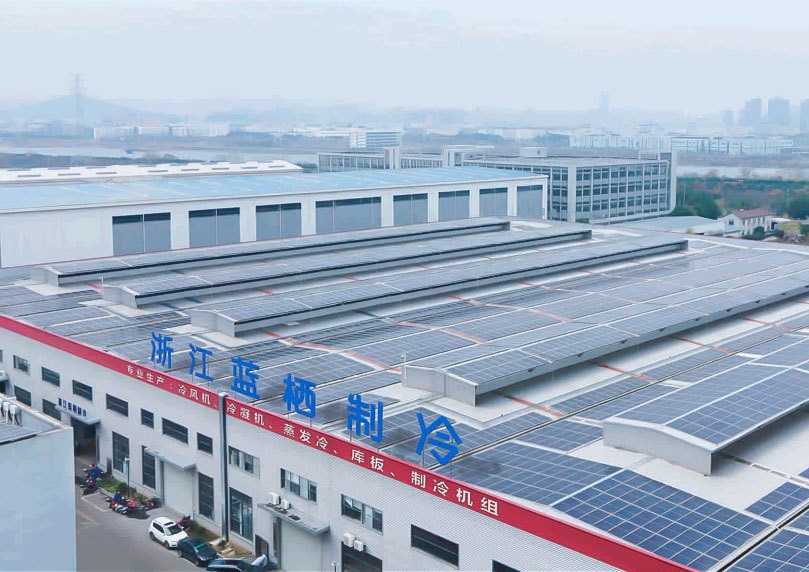
Zhejiang Lanxi Refrigeration Equipment Co., Ltd.
As China Bitzer Piston Parallel Unit Suppliers and Bitzer Piston Parallel Unit Factory,
Zhejiang Lanxi Refrigeration Equipment Co., Ltd. specializes in efficient, green, and sustainable refrigeration solutions. Leveraging high-quality products and innovative technologies, we serve the food, pharmaceutical, chemical, and cold chain logistics sectors, creating energy-efficient and environmentally friendly systems for our customers and fostering mutually beneficial development for both industry and the environment.
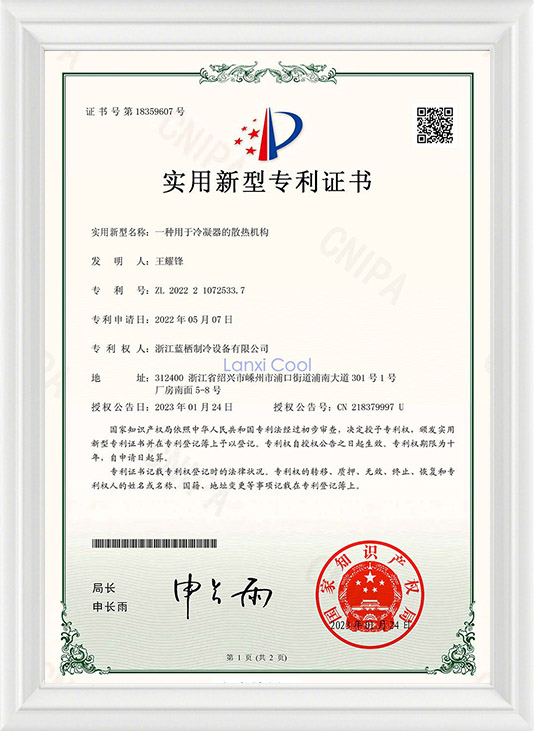
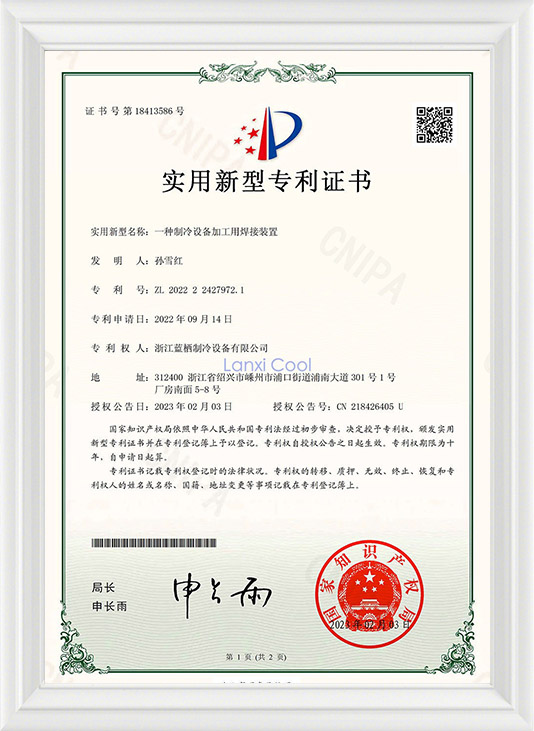
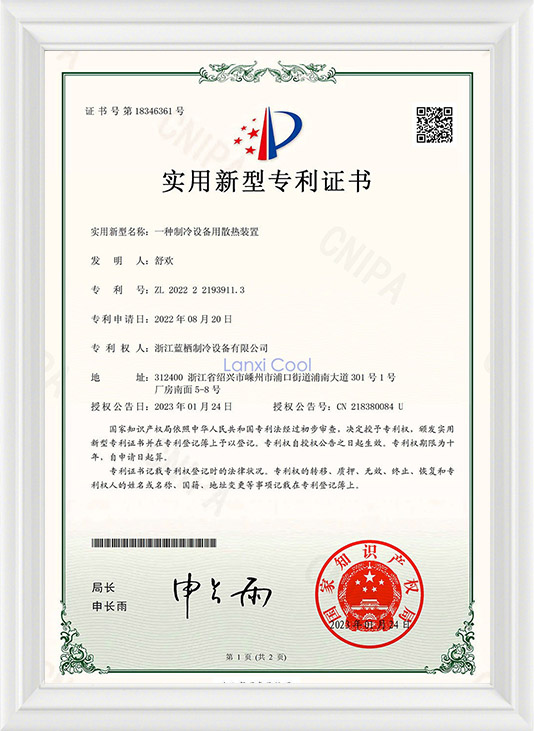
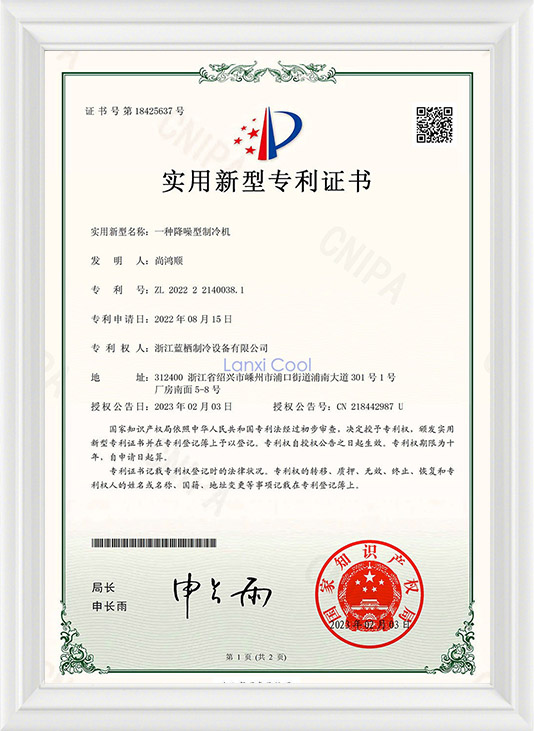
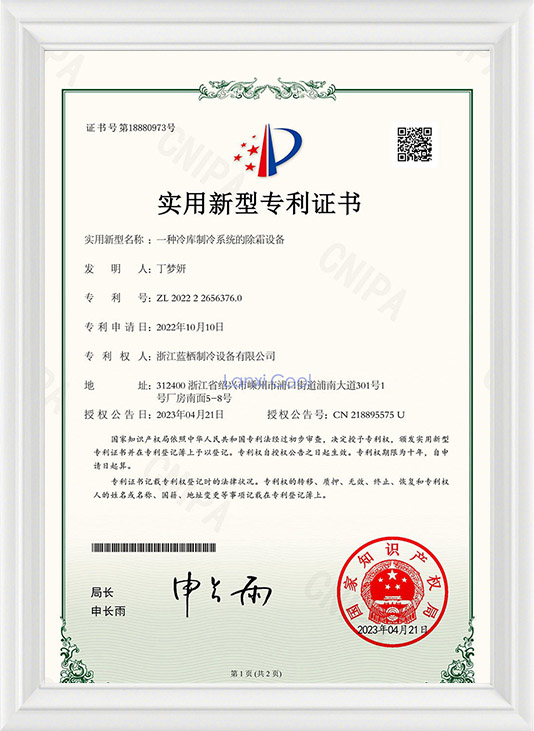
Certificate of Honor


News
-
Industrial air coolers do the actual cooling work inside a cold room. It is the air cooler — the evaporator with fans and finned coil — that pulls warm air out of the space and sends cooled air back in. Get this component wrong and the who...
READ MORE -
Zhejiang Lanxi Refrigeration Equipment Co., Ltd. announces its participation in Coldchain Qazaqstan, taking place from October 28 to 30, 2026 at Atakent-Expo, Almaty, Kazakhstan. Visitors are warmly invited to meet our team at Booth 10-031....
READ MORE -
Every summer, the freezer at the far end of a cold storage facility drifts 3-4°C above its -18°C set point, while the monthly energy bill climbs by 15-18%. Adjusting the thermostat or adding refrigerant does not fix the real problem, which...
READ MORE
CONTACT US

QUICK LINKS
PRODUCTS
CONTACT INFORMATION
- Email: [email protected]
- Phone: +86-15258555916
- Add: 301 Punan Avenue, Pukou Street, Shengzhou City, Shaoxing City, Zhejiang Province.China
Copyright © Zhejiang Lanxi Refrigeration Equipment Co., Ltd. All Rights Reserved.
浙ICP备2022034605号-1
 Wholesale Bitzer Piston Parallel Unit Factory
