

 English
 中文简体
中文简体 русский
 Tiếng Việt
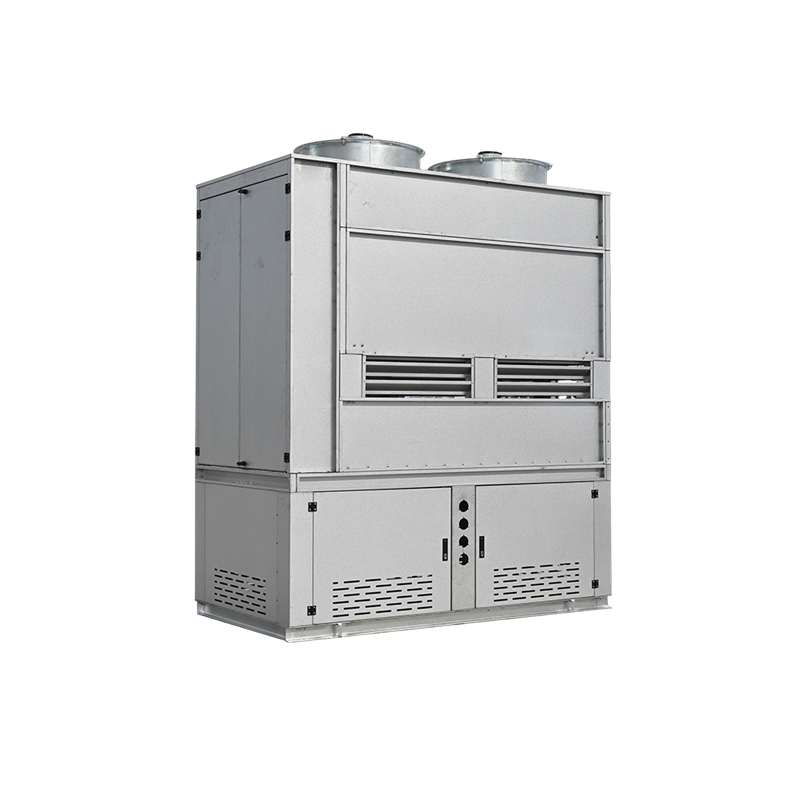
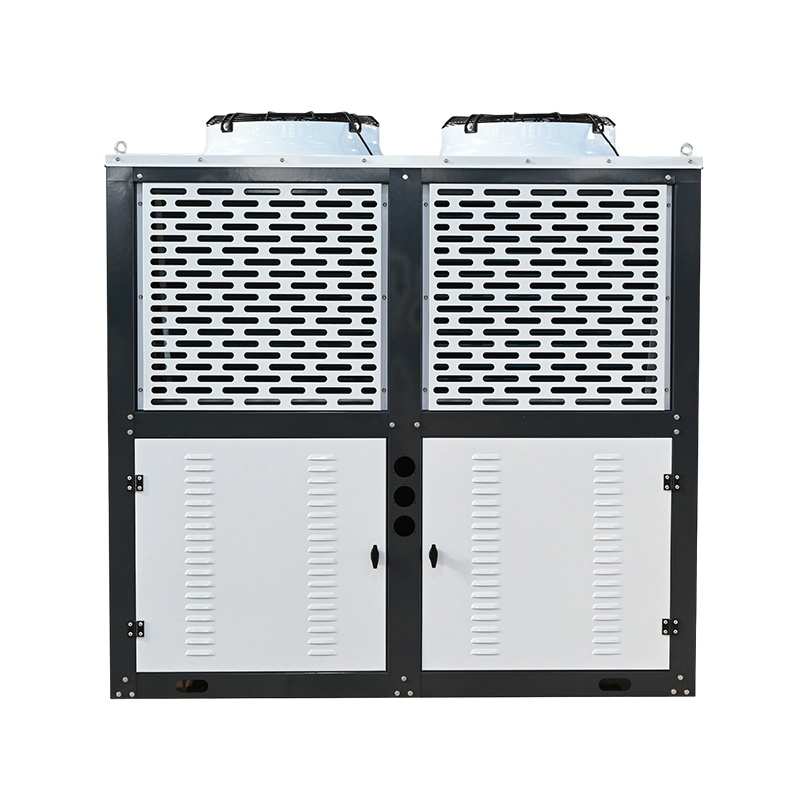
In modern industrial refrigeration and HVAC systems, energy efficiency, compact footprint and stable heat rejection are core concerns for project owners. Among all heat rejection equipment, evaporative condensers (evaporative cooling units) have become a preferred alternative to traditional air-cooled condensers and water-cooled condenser + cooling tower combinations.
How Does Evaporative Cooling Work?
The evaporative condenser operates based on the physical principle of latent heat of water evaporation.
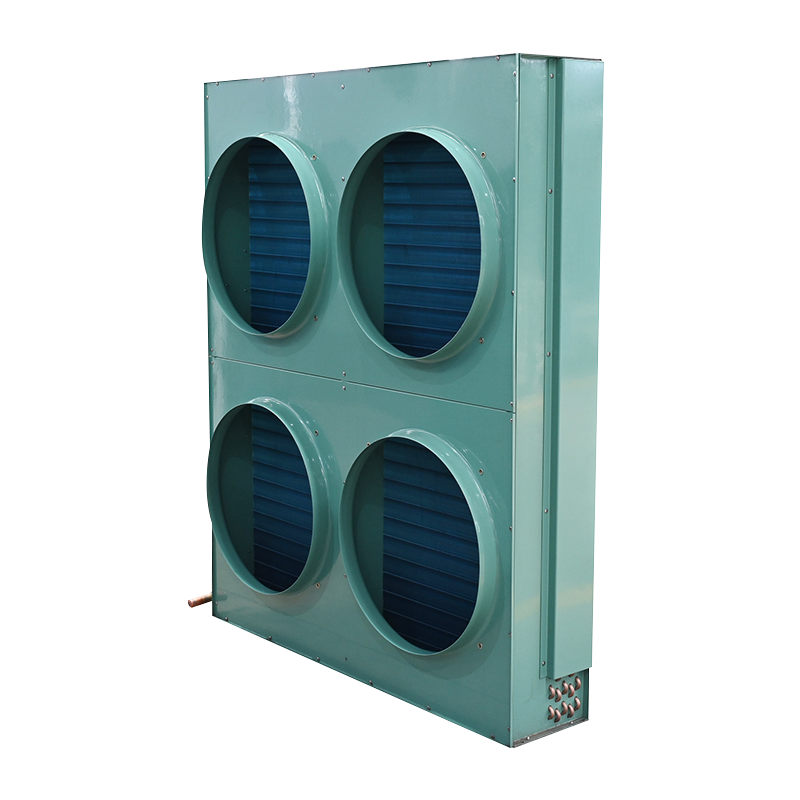
High-temperature gaseous refrigerant discharged from the compressor flows inside heat exchange coils. Circulating water is evenly sprayed over the outer surface of coils to form a continuous water film. Axial fans drive airflow through the coil section. Partial evaporation of spray water absorbs massive heat from coil surfaces, cooling down refrigerant vapor and condensing it into liquid refrigerant.
Un-evaporated water drops back to the water sump and recirculates via water pumps. Drift eliminators capture water droplets to reduce drift loss, while water vapor is exhausted outdoors together with hot air.
Different from air-cooled units relying only on dry-bulb temperature, evaporative cooling approaches the ambient wet-bulb temperature, achieving much lower condensing temperature under hot weather conditions. Every 1°C drop in condensing temperature can cut compressor power consumption by 2%~3%.
Core Benefits of Evaporative Cooling Systems
Outstanding Energy Saving
Compared with air-cooled condensers, evaporative cooling can reduce overall system power consumption by 15%–30%. It removes the need for independent cooling towers and secondary circulating pumps required by conventional water-cooled schemes.
Compact Integrated Structure
Condensation, water spraying and air exhaust are integrated into one unit. It occupies less installation space and simplifies pipeline layout, greatly lowering civil construction and installation costs.
Stable Performance Under High Ambient Temperature
In tropical, subtropical and summer high-temperature regions, its heat rejection capacity will not decline sharply when ambient temperature rises, ensuring reliable operation of cold storage, processing lines and refrigeration units.
Low Water Drift & Easy Maintenance
Equipped with high-efficiency drift eliminators, water drift rate is controlled below 0.01%. Hot-dip galvanized or stainless steel coils effectively resist corrosion. Modular structure facilitates regular inspection, descaling and component replacement.
Wide Refrigerant Compatibility
Support ammonia (NH3), R404A, R507, R134a, CO₂ and other common refrigerants, suitable for both traditional synthetic refrigerant systems and natural refrigerant low-carbon projects.
Typical Application Scenarios
- Cold storage & freezer warehouses: low-temperature logistics, food cold chain, fruit and vegetable preservation
- Food processing factories: meat processing, seafood production, dairy manufacturing
- Supermarket centralized refrigeration & commercial refrigeration projects
- Industrial process cooling, ice-making plants
- Large-scale HVAC and data center waste heat recovery systems
Evaporative Condenser VS Air-Cooled & Water-Cooled Solutions
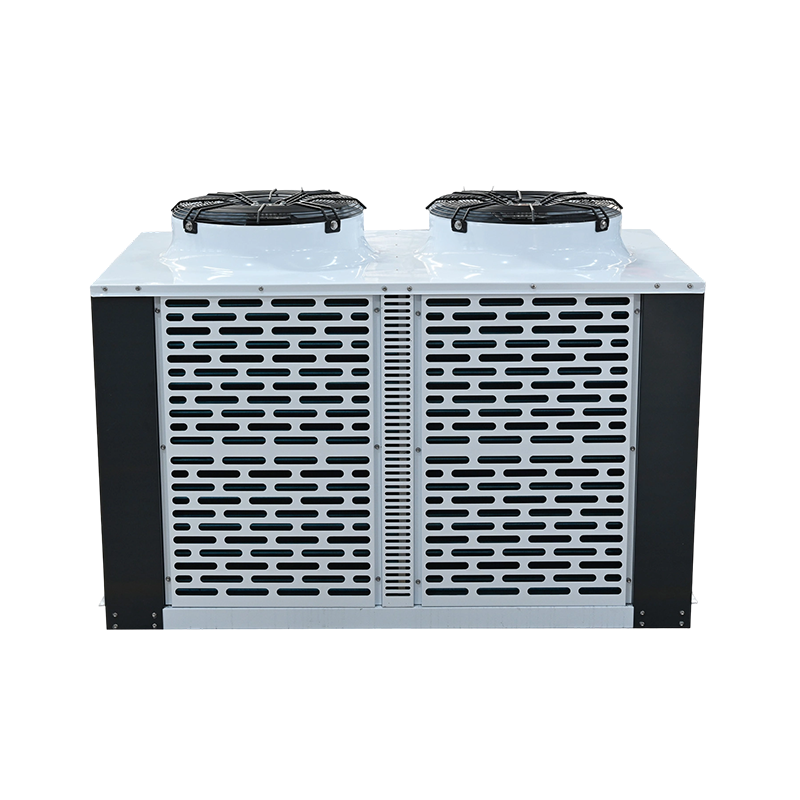
Air-Cooled Condenser
Simple installation, zero water consumption; poor efficiency in hot climates, high compressor energy cost.
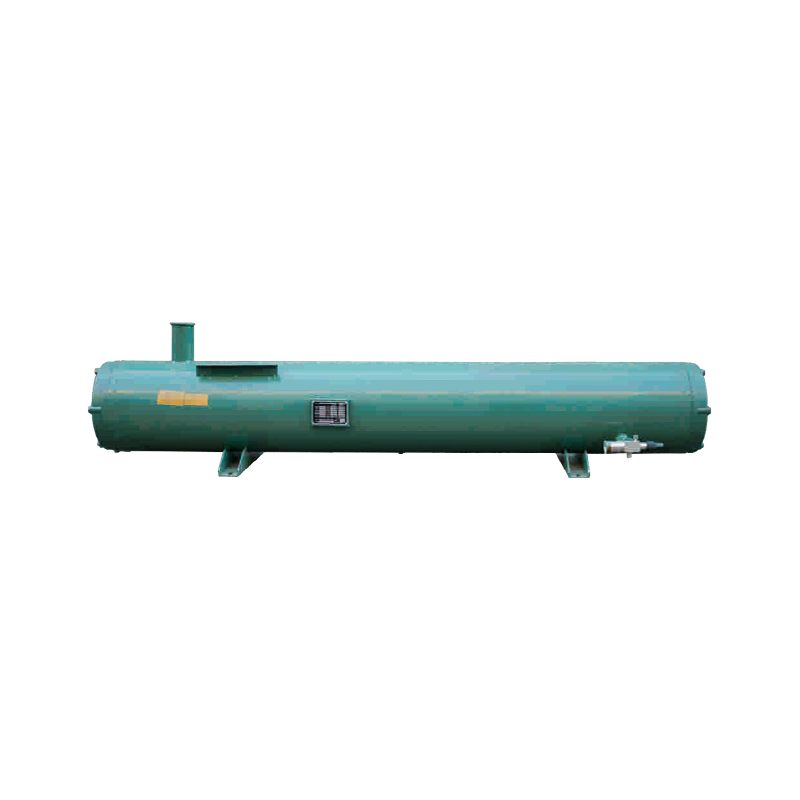
Water-Cooled Condenser + Cooling Tower
Good heat transfer, but needs extra pump rooms, complicated piping and higher initial investment.
Evaporative Cooling Unit
Balanced energy consumption and footprint, integrated design, optimal choice for most medium & large refrigeration projects.
Tips for Model Selection
When choosing an evaporative cooling system, clients should confirm key parameters: design wet-bulb temperature, heat rejection capacity, refrigerant type, coil material, fan control mode (on-off / variable frequency), installation environment (outdoor open area or machinery building). Variable frequency fan configuration can further optimize energy consumption under partial load.
Summary
Against the background of global energy conservation and carbon reduction, evaporative cooling technology provides an economical and sustainable heat rejection route for the refrigeration industry. With lower operating cost, stable year-round performance and flexible layout, evaporative condensers continue to gain popularity among engineering contractors, cold chain investors and refrigeration system integrators worldwide.
If you are looking for reliable evaporative cooling equipment or customized refrigeration solutions, welcome to contact our technical team for parameter matching and quotation support.